
Seeking Water in the Central Valley
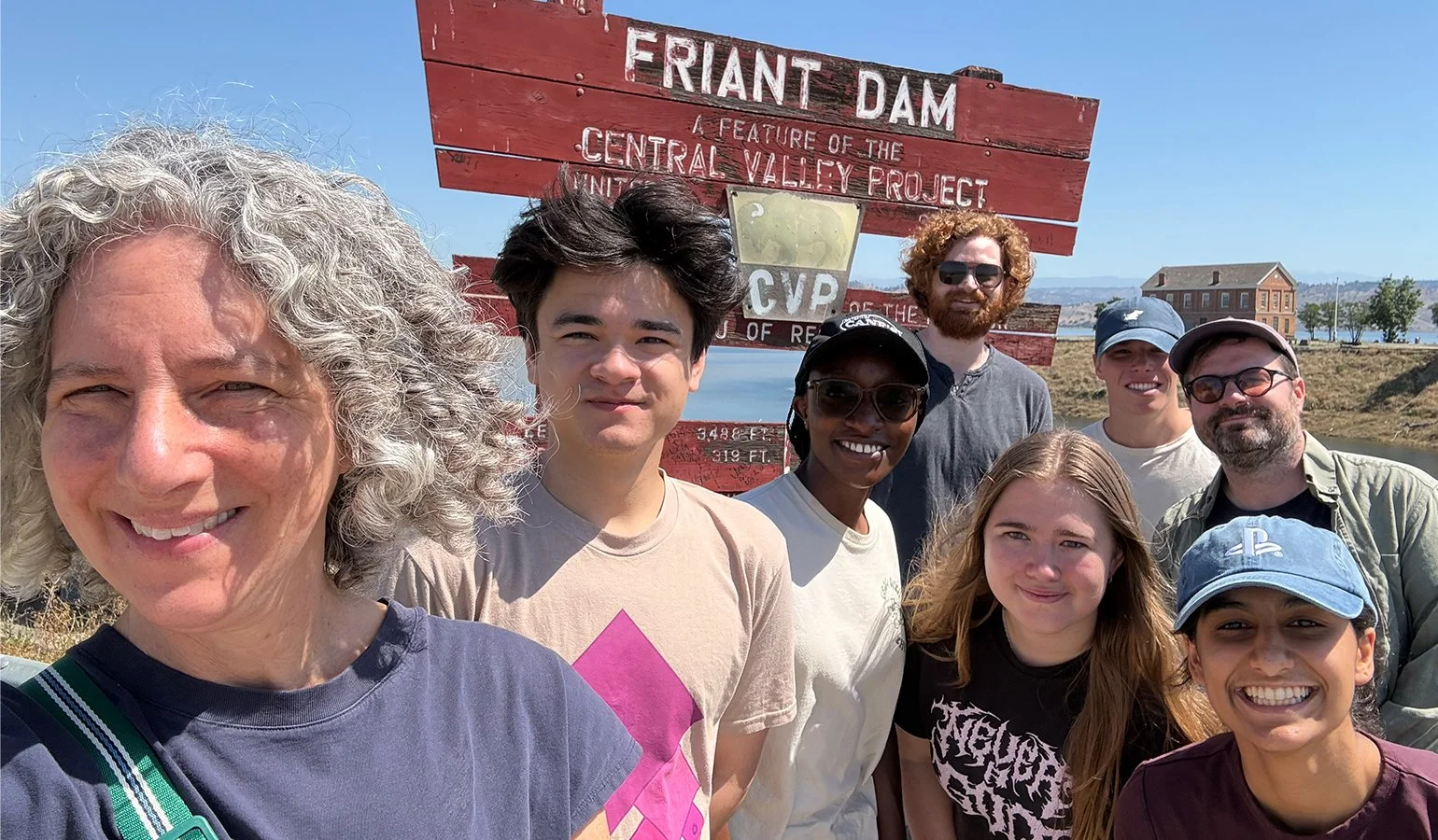
Front: Hillary Mushkin, Henry Lane, Linet Kahuria, Ella Holland, Auriyon Khosravi. Back: Jacob Chambless, Ryan Fortin, and Nick Earhart, Weisman Postdoctoral Scholar Teaching Fellow in English and Visual Culture, who joined the trip as a chaperone. Credit: Hillary Mushkin.
This spring, students in the Visual Culture and the California Environment course took a field trip to immerse themselves in the landscapes they had been studying.
By Katie Neith
The Central Valley of California provides roughly a quarter of the nation’s food products on just 1 percent of its farmland. But, for decades, the state has faced increasing water resource challenges: climate extremes, overextraction of groundwater for crops, contamination of drinking water by agricultural runoff, distribution imbalances, and more.
This dichotomy is the theme of this year’s Visual Culture and the California Environment course (VC 131) created by Brian Jacobson and Hillary Mushkin to explore visual representations of the natural world. In May, students from the class who participated in a field trip got a firsthand look at some of the difficulties farmers face as well as the innovations that could address dwindling groundwater in the Central Valley.
“Scientists can measure groundwater loss remotely using satellites,” says Jacobson, professor of visual culture. “But understanding what those data mean for life and labor in the Central Valley is better understood on the ground among the crops and in the communities of farmworkers.”
The course, which they've just completed for the second time, teaches students about the history of water use in California and its impacts on current conditions through images, archival information, readings, observations, and more. The class explores how artists, scientists, corporations, and others use environmental imagery for diverse purposes—for example, to support a narrative about climate change or to attract workers to areas where labor is needed. Near the end of the course, students traveled for two days through the Central Valley, where large-scale monoculture farming, or growing of a single crop, is taxing the environment, to gain their own unique viewpoint of the areas.
“A lived experience is different from reading a text or watching a film,” says Mushkin, research professor of art and design in engineering and applied science and the humanities and social sciences, who co-teaches the course. “You can give students all of the statistics, you can show them photos, but it’s not the same as spending literally hours and hours and hours moving at 65 miles an hour through monoculture. You just cannot fathom it.”
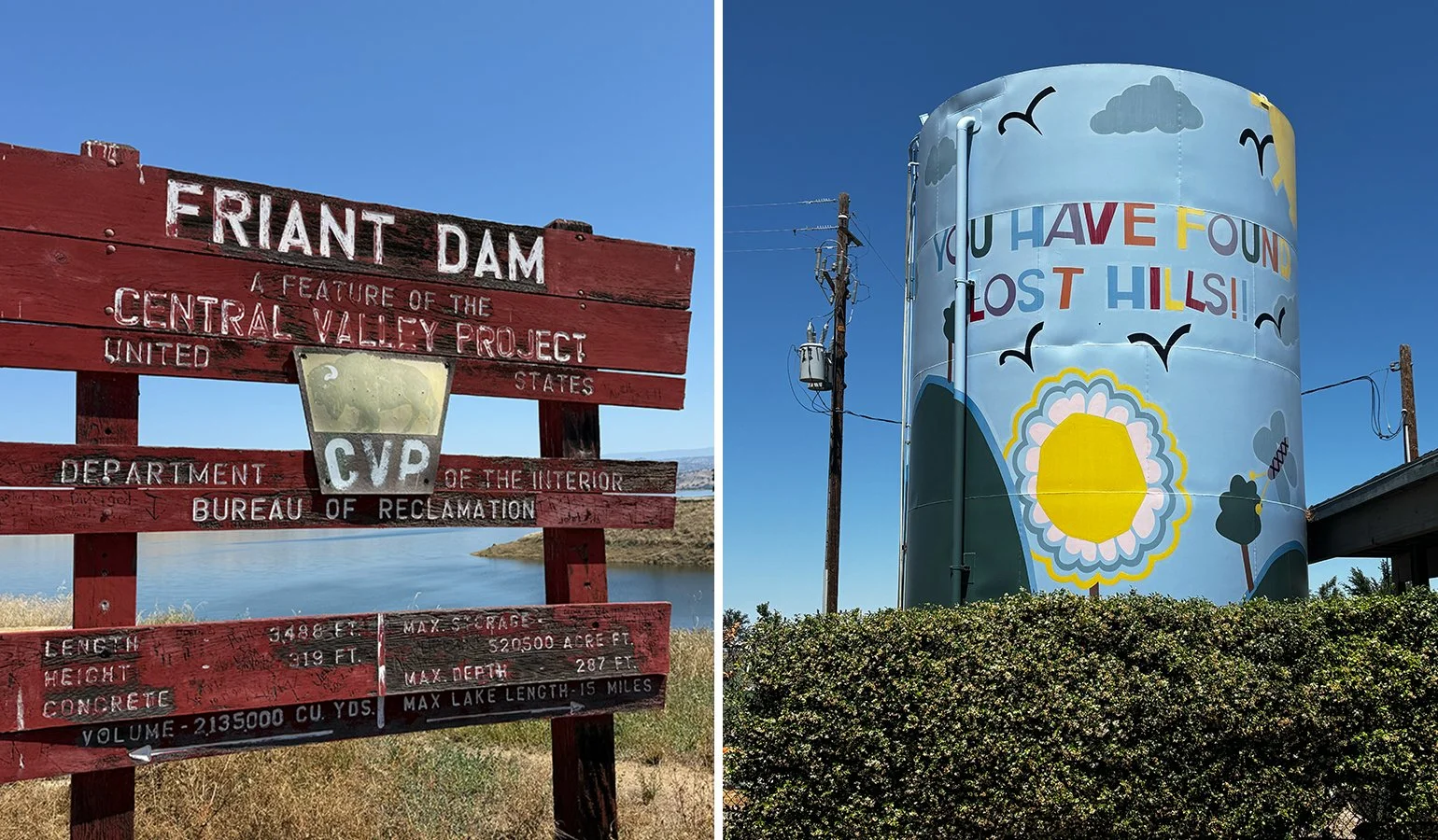
Credit: Hillary Mushkin (left), Jacob Chambless (right)
This year, a group of six students traveled from Caltech to the Friant Dam, just north of Fresno, and back. They made stops in Lost Hills and Lindsay on the first day to learn from residents how water use by local industries is harming their hometowns. For Linet Kahuria, a rising fourth-year student studying mechanical engineering, a highlight of the trip was the opportunity to speak with local activists and community leaders directly involved in environmental and water-related issues in the Central Valley.
“In Lost Hills, we spoke with Cesar, an activist from the Central California Environmental Justice Network, who explained the serious environmental challenges the Lost Hills community faces, including water contamination, oil drilling, pesticide exposure, and other forms of pollution and contamination,” says Kahuria, who took the class to gain a better understanding of how sustainability connects with technology, infrastructure, and future development. “Hearing firsthand about these issues made the environmental challenges feel much more real and personal.”
Misty Villareal, the mayor of Lindsay, told the group about the city’s recharge basin—an engineered pond used to capture excess surface water to help replenish underground aquifers—and the efforts being made provide cleaner water to residents. Kahuria says this gave her a deeper understanding of the complexity of these environmental issues and how different communities are working toward solutions.
“Beyond what they learn about the specific case of the Central Valley, we want our students to learn how to navigate the complex interfaces between the science and engineering skills they are learning on campus and the politics and social realities they will encounter when they take those skills out into the world,” Jacobson says.
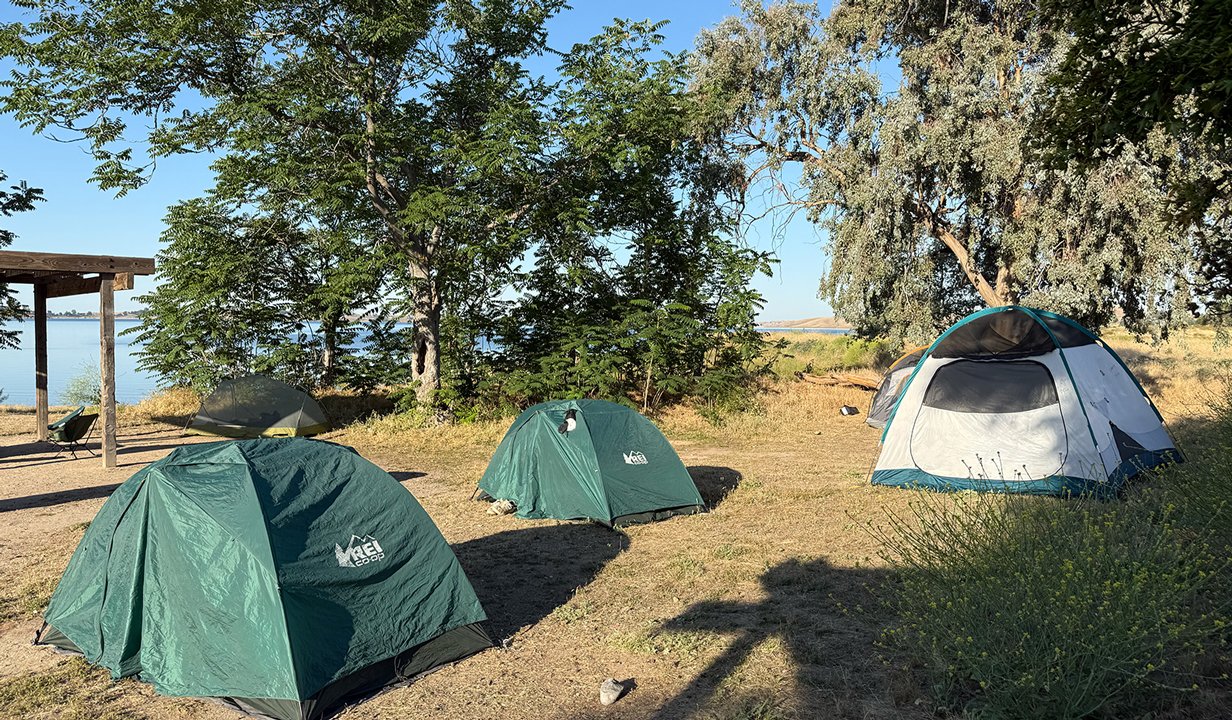
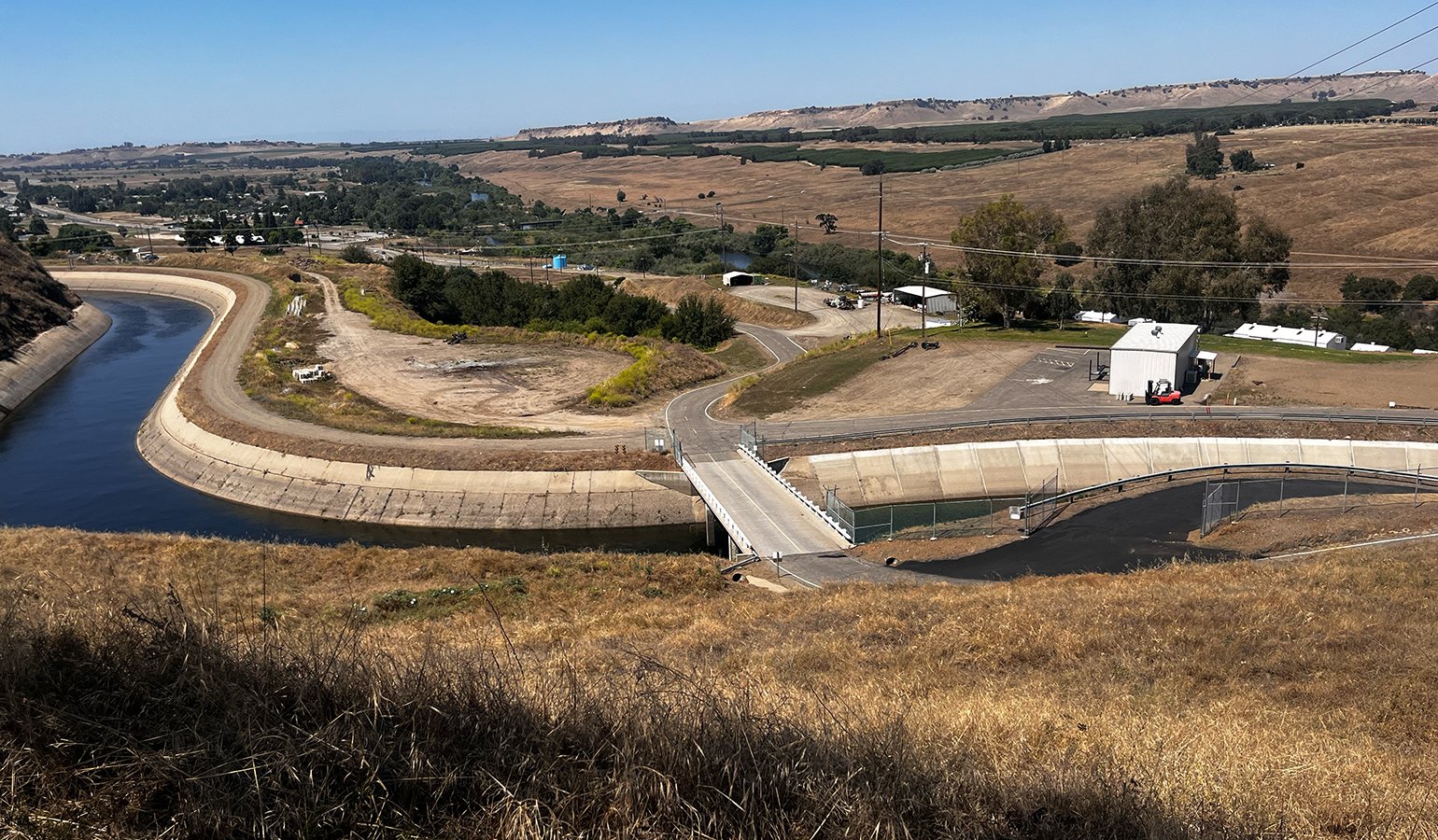
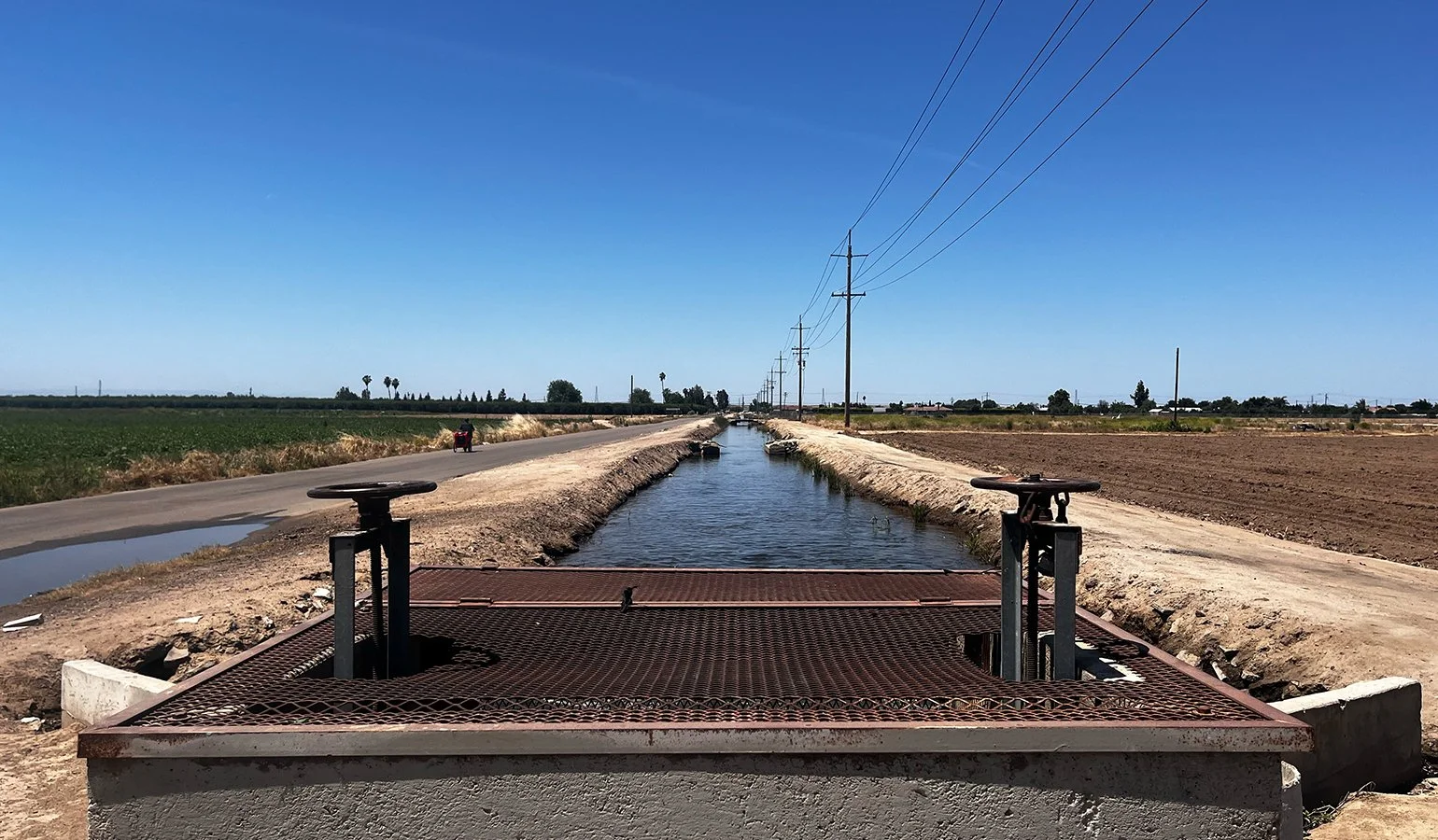
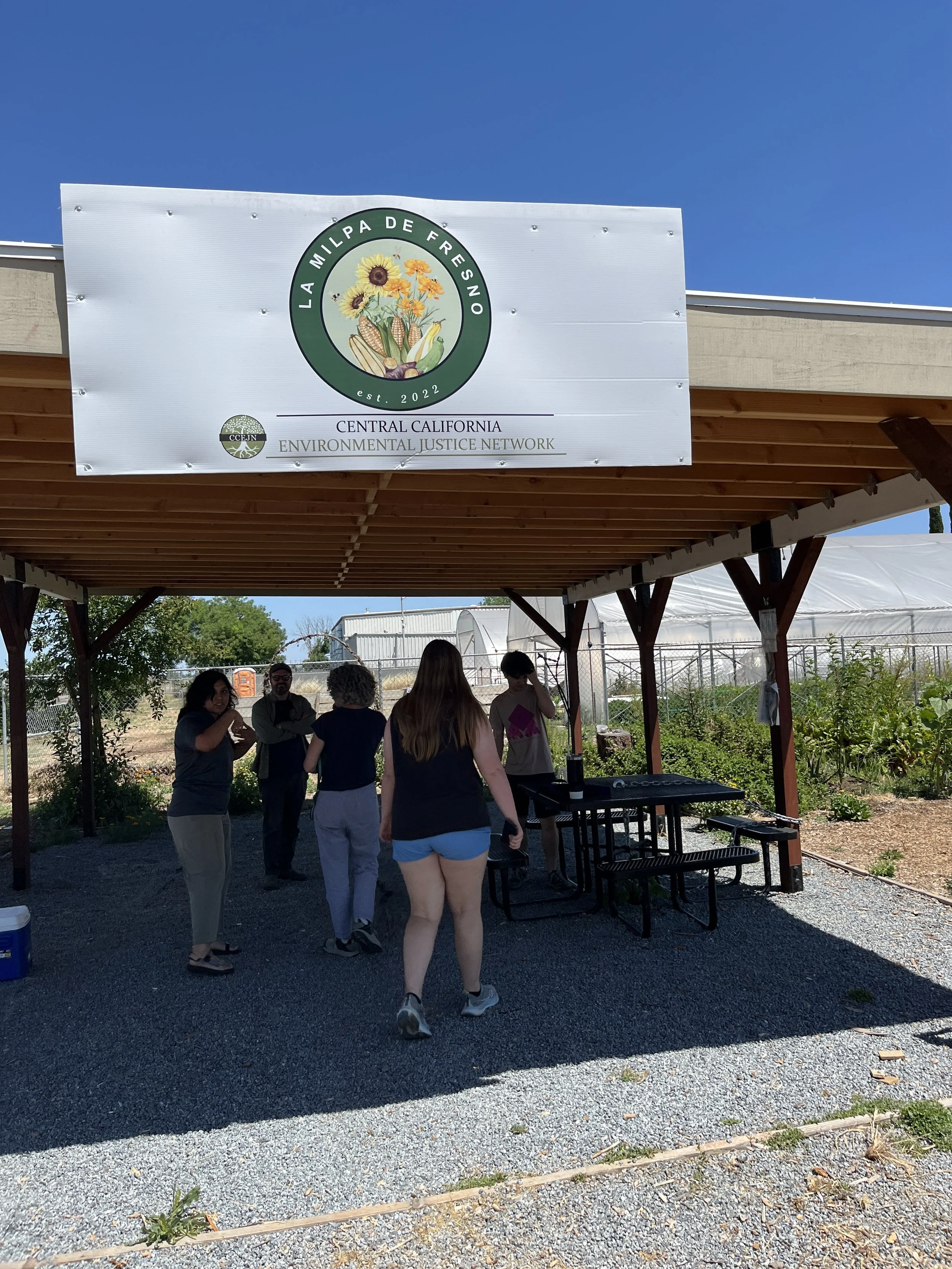
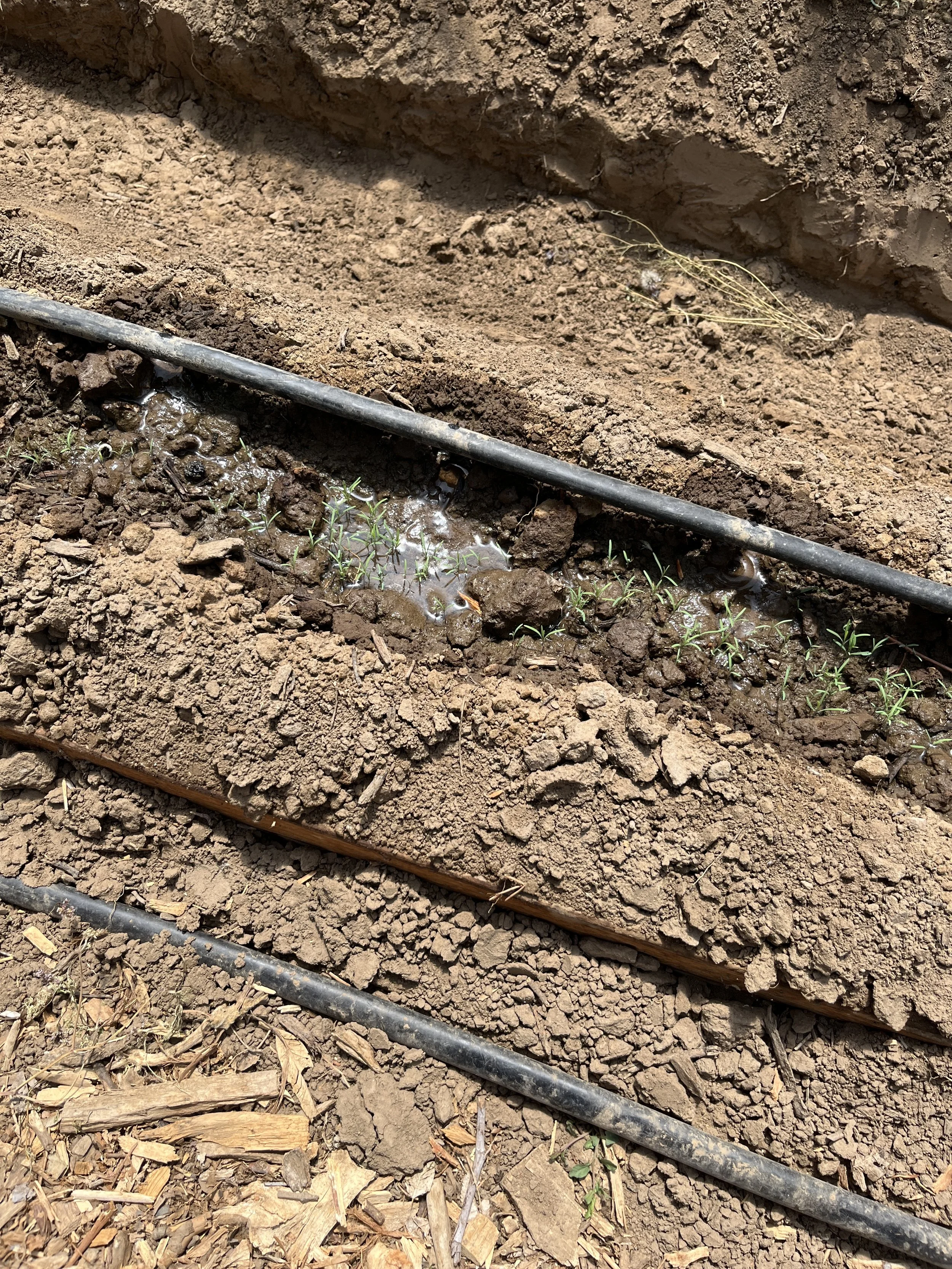
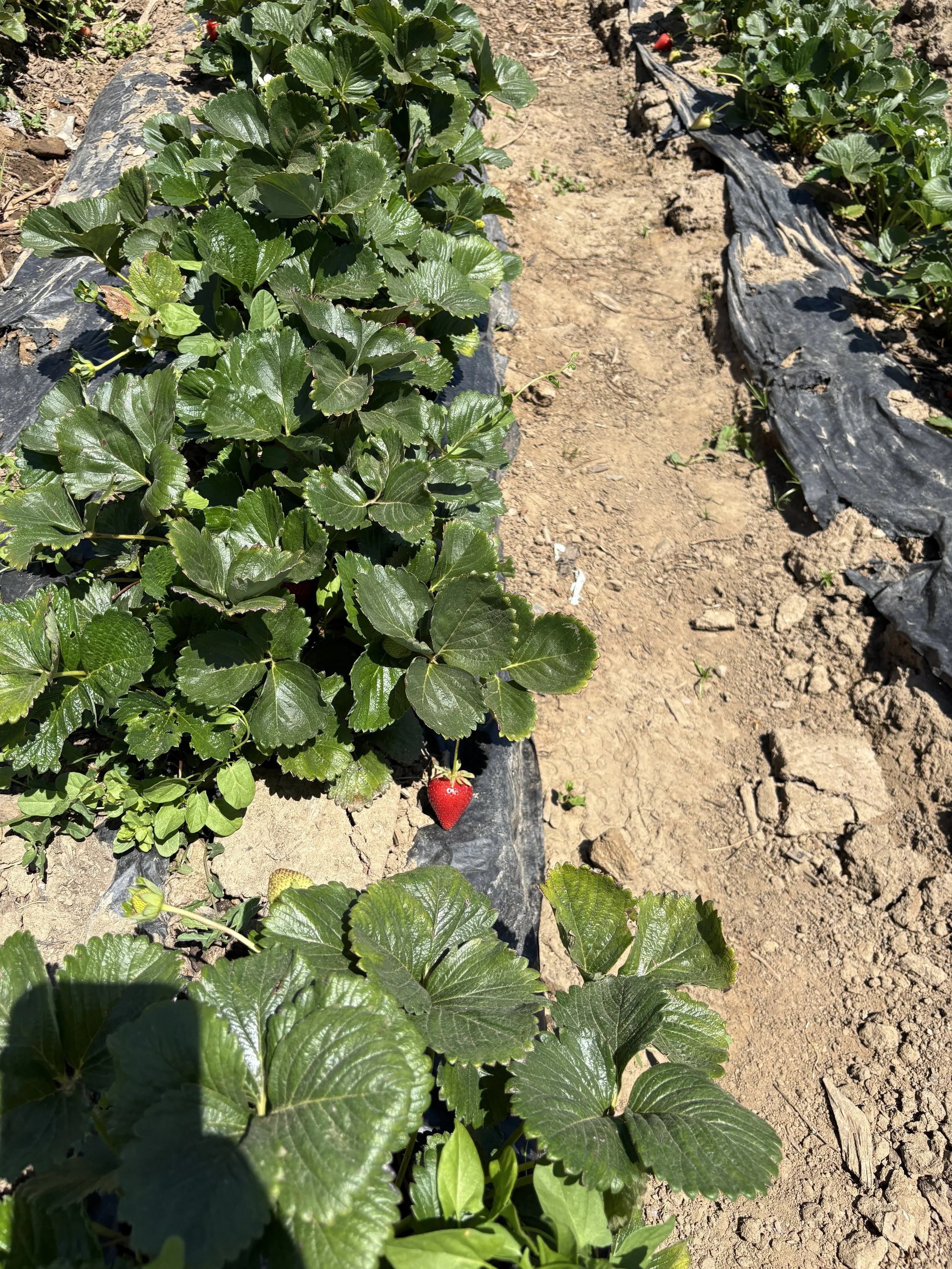
Before camping out at Millerton Lake for the night, the students visited Friant Dam. Completed in 1942, the dam helped form the lake, which collects runoff from the Sierra Nevada mountains. “It was surprising that the lake was man-made on the San Joaquin River and the lost town of Millerton was actually flooded in order to become a reservoir,” says Ryan Fortin, a rising fourth-year student studying electrical engineering who took the class to learn more about how California’s water system works and how people, artists, scientists, and media portray human impact on this land.
At Caltech, Fortin has used a satellite radar technique called Interferometric Synthetic Aperture Radar (InSAR), which can track deformations in land caused by factors like groundwater overextraction. “There are areas in the Central Valley that are literally sinking into the ground; it can subside up to a foot per year,” he says. “I desire to design electronics used in instruments for novel applications, similar to InSAR, that can help us better track, visualize, and mitigate the human impact on the environment.”
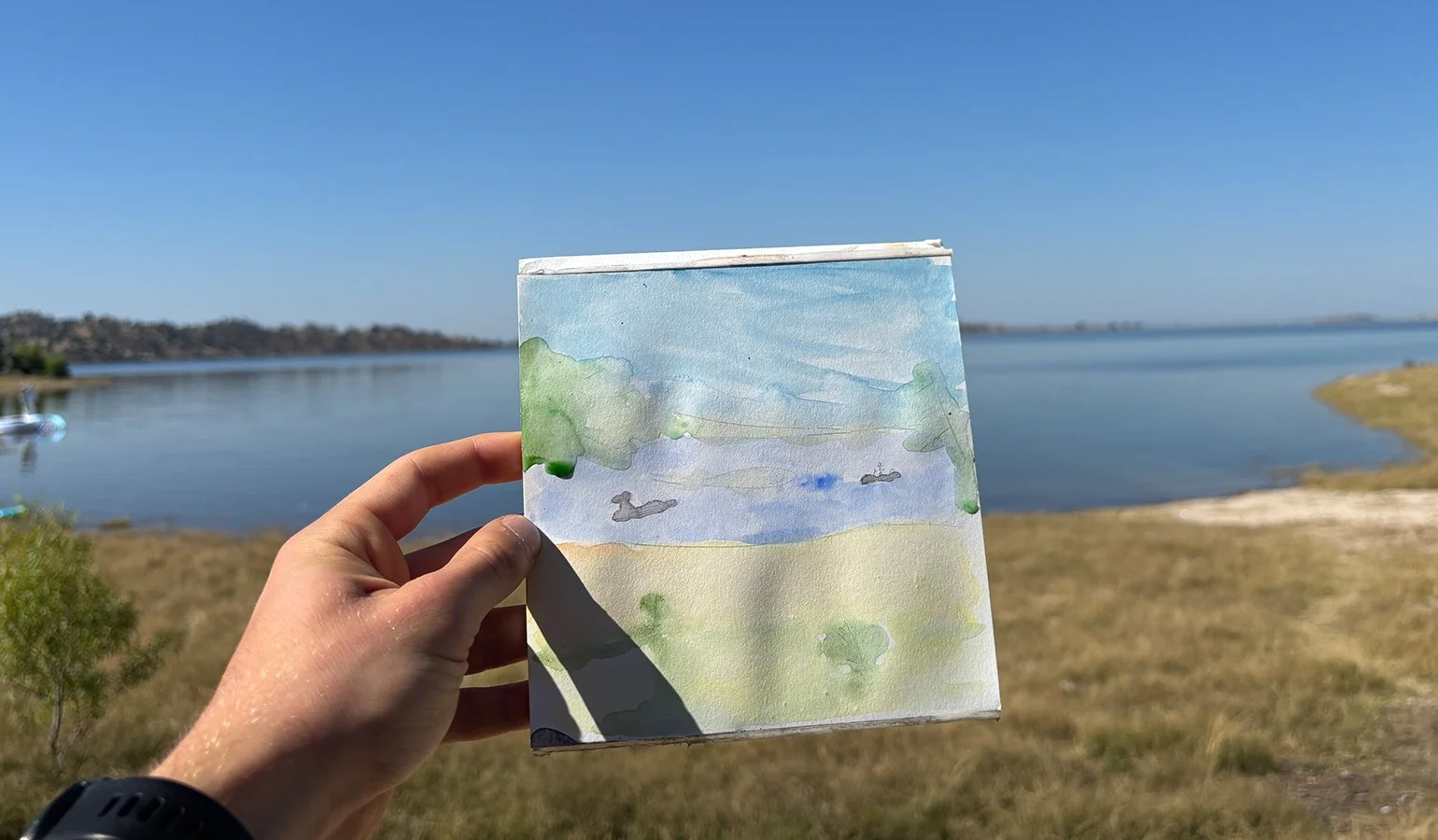
On the second day, the students used art materials to sketch the environment around them at Millerton Lake. The reason for this exercise, Mushkin says, is that up until that point, the class had mostly seen other people’s perspectives of the land they were studying, such as photographs by journalists, illustrations in real estate pamphlets, and engineering drawings about how to build the Friant Dam.
“When we’re there, the purpose is really to engage with the water and make this snapshot of the moment,” she explains. “You’re cognitively making decisions about what you’re observing and what is worth recording, and that is the way all kinds of research begins.”
On the way back to Pasadena, the itinerary included stops at the La Milpa, a community garden in Fresno and Setton Farms in nearby Terra Bella, where students learned about sustainable and organic agriculture practices.
Credit: Ryan Fortin
“Seeing the places we had been learning about in class gave me a completely different perspective,” Kahuria notes. “For example, seeing the Friant Dam in person really showed me the massive scale of the infrastructure projects we discussed in class. Talking directly with local residents and activists also helped me better understand the real-world impact of environmental and water issues.”
She adds that the class and trip have shown her that, as an engineer, solving the immediate problem in front of you is not always enough. “Effective engineering is not just about efficiency or functionality in the short term but also about responsibility, adaptability, and long-term impact,” Kahuria says. “Overall, this experience has helped me understand the importance of designing solutions that are not only effective in the present but also sustainable and responsible for the future.”