Eleven of Caltech’s 2026 graduates discuss their achievements, challenges, and lessons learned during their time at the Institute.
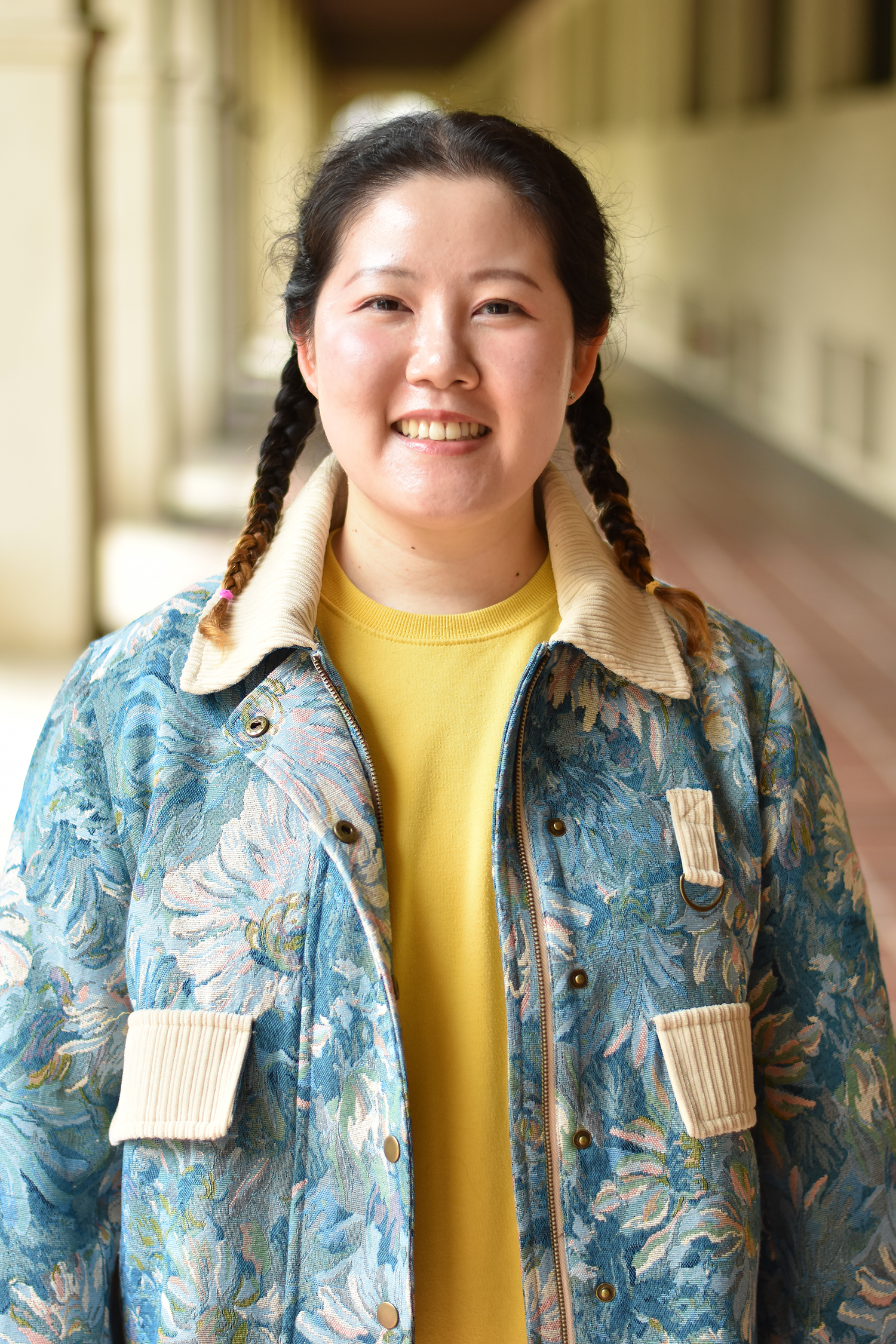
Ava Barbano
“When I was secretary of ASCIT [Associated Students of the California Institute of Technology], I was encouraged to take on my own project. At the time, Jim Barry [Caltech’s drawing, painting, and silkscreen art director] mentioned that he was looking to phase out the screen printing equipment on campus, and I realized it could be an opportunity to set up a student-run screen printing space.
With the help of the rest of the ASCIT Board of Directors, I began my search for a room. We were considering spaces such as an old photo darkroom or an abandoned storage closet, but we were constrained by space, access to running water, and proper ventilation. Eventually, we found and repurposed a room in the Student Activities Center, under the South Houses. We then applied for various funds such as the Moore-Hufstedler Fund and the Student Investment Fund to make some one-time purchases, upgrade the ventilation in the space, and install a half shower to wash out the screens.
We’ve been able to use the space and equipment for projects such as shirts for Ditch Day, GPS field trips, and merch for the houses. It’s also been a great way to get to know people from all over the Institute who are passionate enough about something to want to make a shirt for it. I've enjoyed teaching people how to screen print, because a lot of people don’t know how the process works and how having a tangible art project can be really rewarding.”
Ava Barbano is a fourth-year undergraduate studying computational and neural systems. In 2025, they were named an inaugural Ginsburg Scholar at Caltech for their work in establishing the screen printing room on campus. They served with ASCIT from 2023 to 2025. After graduation, they will join the University of Washington as a research assistant in the lab of Bing Brunton.
Carlos Olivas
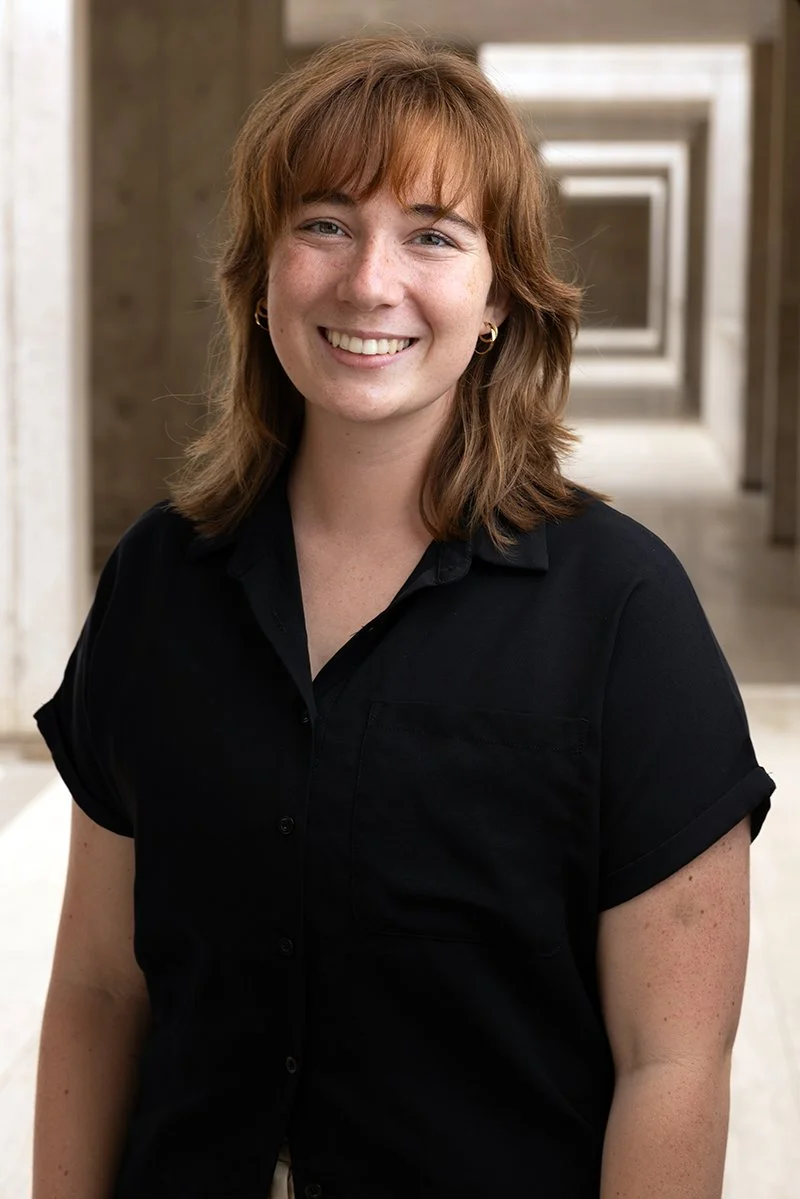
Carlos Olivas won this year's Rise Service Award for his dedication to student tutoring and community and is graduating from Caltech with a bachelor's degree in mechanical engineering.
Cecilia (Cece) Abramson
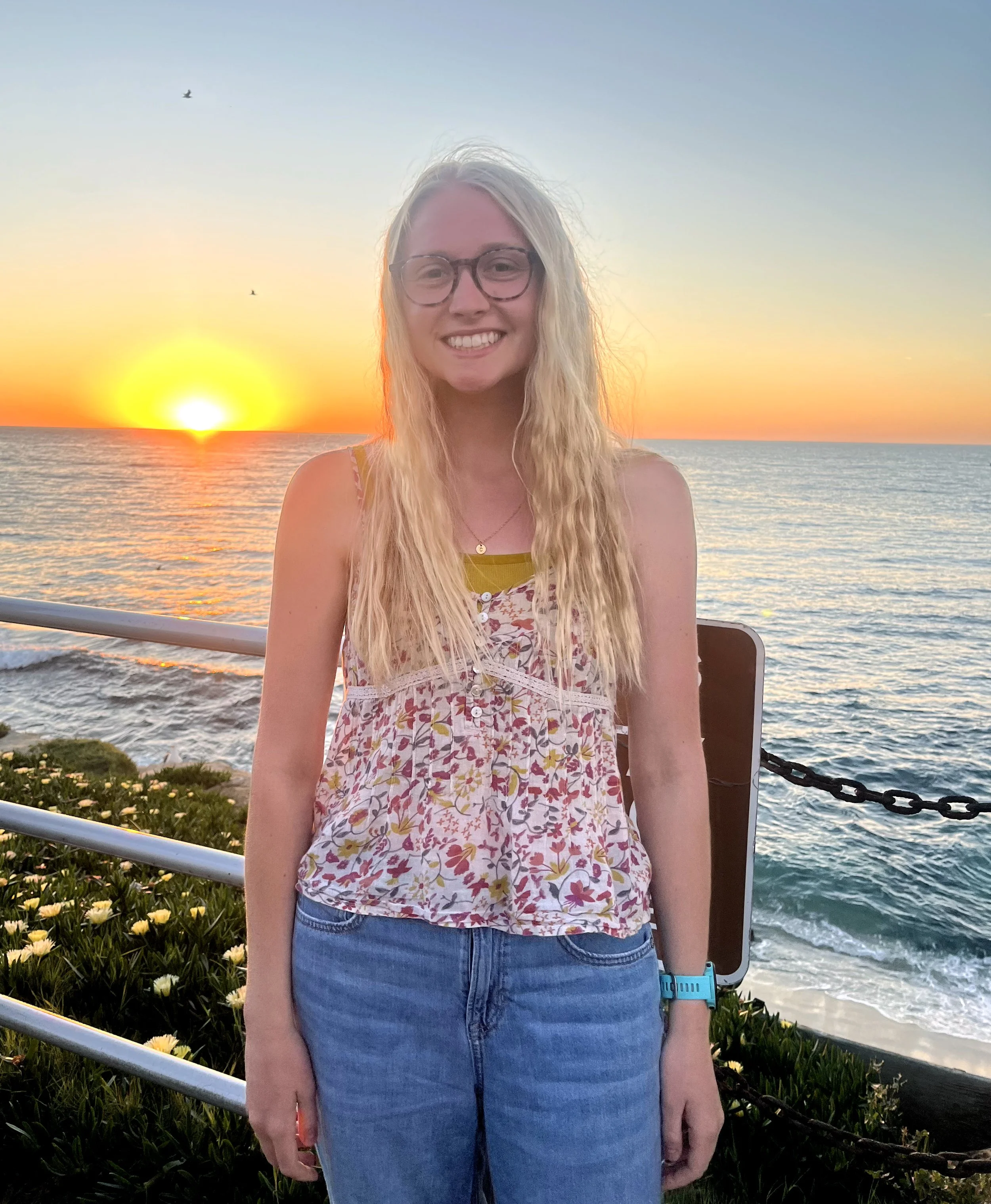
“The most meaningful work I did while at Caltech was with the Caltech Y [a student-driven organization that focuses on community service, leadership, and outdoor activities]. I’m the chair of the Caltech Y’s Student Activism Speaker Series. The series brings people from the community around us to speak to students about issues of science policy, human rights, climate change, and more. It’s important that we open up a dialogue about issues like these, which rarely come up as part of our regular Caltech curriculum. One goal of ours is to motivate others to recognize where their scientific work can have a real impact on our planet. As part of this subcommittee, I also helped plan trips to Washington, D.C., and Geneva, Switzerland, during which we met with policymakers
An issue that I care deeply about is the environment and climate change. These are things I’ve been interested in since high school. I grew up in a small town in rural Illinois, where climate change was not a prevalent issue. Now I’m going back to Illinois to begin my PhD program in atmospheric science and meteorology at the University of Illinois Urbana-Champaign. Despite a roundabout path at Caltech—I changed my major five times—pursuing my PhD in this area is a dream come true."
Cecilia (Cece) Abramson is graduating this summer from Caltech with a bachelor's degree in astrophysics and a minor in environmental science.
Donny Lu
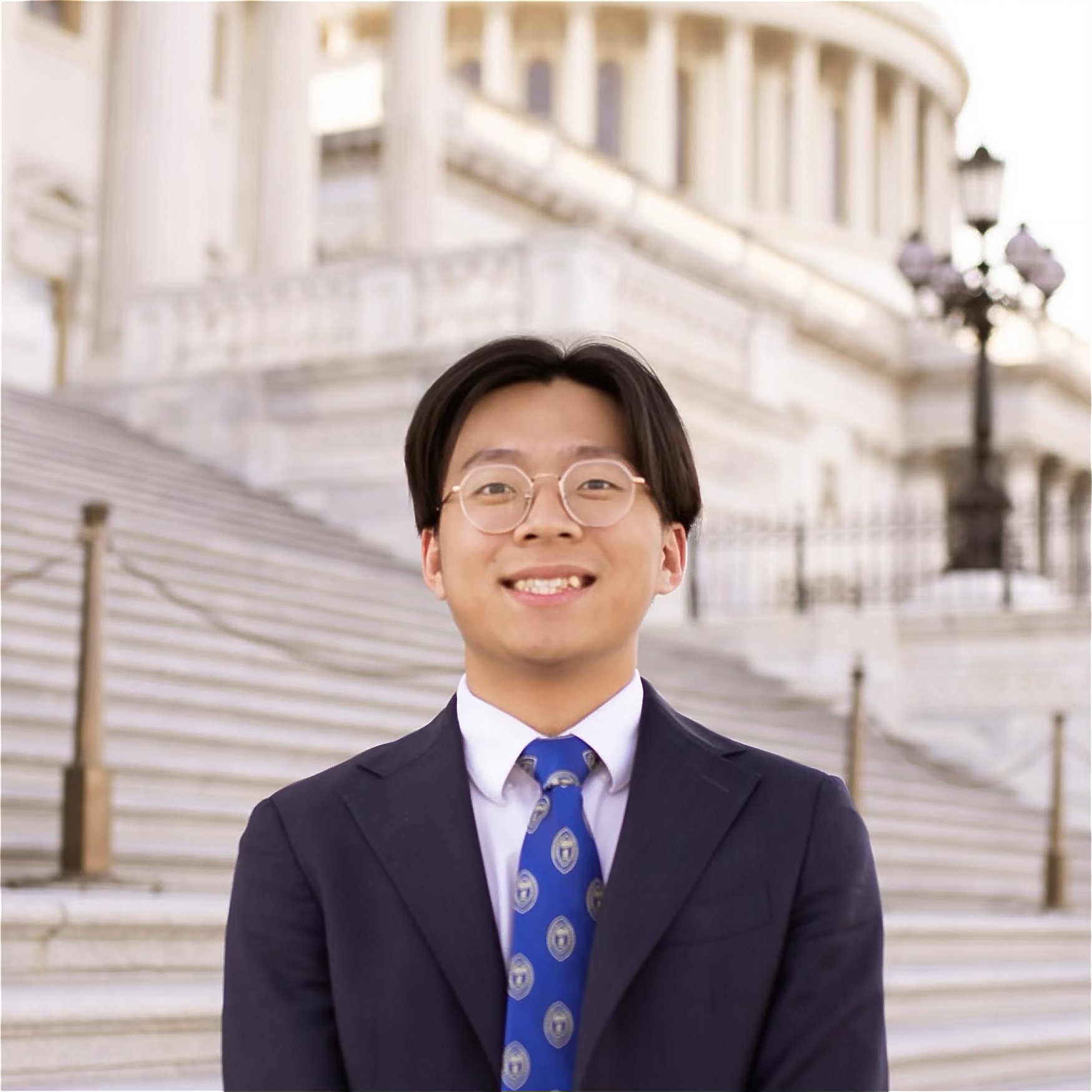
“Helping to run the Caltech Robotics Team has given me so much experience. One day, I was walking around campus with my friend, and we went down to the Guggenheim basement and saw a big logo that said, ‘Caltech Robotics Team.’ We didn’t even know a robotics team existed on campus. I had a chance to chat with the previous president, and she said they had trouble recruiting people after COVID. I became determined to bring it back. The next day, I went to the lab, and it was a mess. It hadn’t been touched in years, so I cleaned up everything and literally organized every single drawer. Then I began the effort of building the team again, and we started with battle bots. We got a lot of people interested, and now we’re doing different competitions in the area, especially through Southern California Attack Robotics. Trent Wilson [a lab machining assistant] from the Spalding machine shop really helped us build out that program.
“I also got the chance to attend the International Conference on Robotics and Automation, where I met other undergrads from Columbia, Rutgers, and UC Berkeley. We wanted to build some projects no one has built before, so we decided to build a robotic local motion platform using classical control algorithms that Aaron Ames [Bren Professor of Mechanical and Civil Engineering, Control and Dynamical Systems] has studied a lot. [Mechanical engineering professor] Joel Burdick, our team advisor, has also given us so many resources for all our different projects, and we have the ability to reach out to alums, who are literally the best in the industry, who have been helping us push through. I don’t really think you can get that anywhere else in the world.”
Donny Lu is a fourth-year undergraduate from Macau, China, graduating in June with a BS in physics and a minor in aerospace engineering. Originally a politics major, he switched to physics before transferring to Caltech in 2024 as part of a 3-2 program with Pomona College. Lu has served as president of the Caltech Robotics Team for the past year and helped to build a fully autonomous motorized couch, combat robots, and a humanoid robot, among other projects. After graduation, he plans to continue working for the start-up he founded, Dlab Sciences, which develops 3D-printed materials for manufacturing.
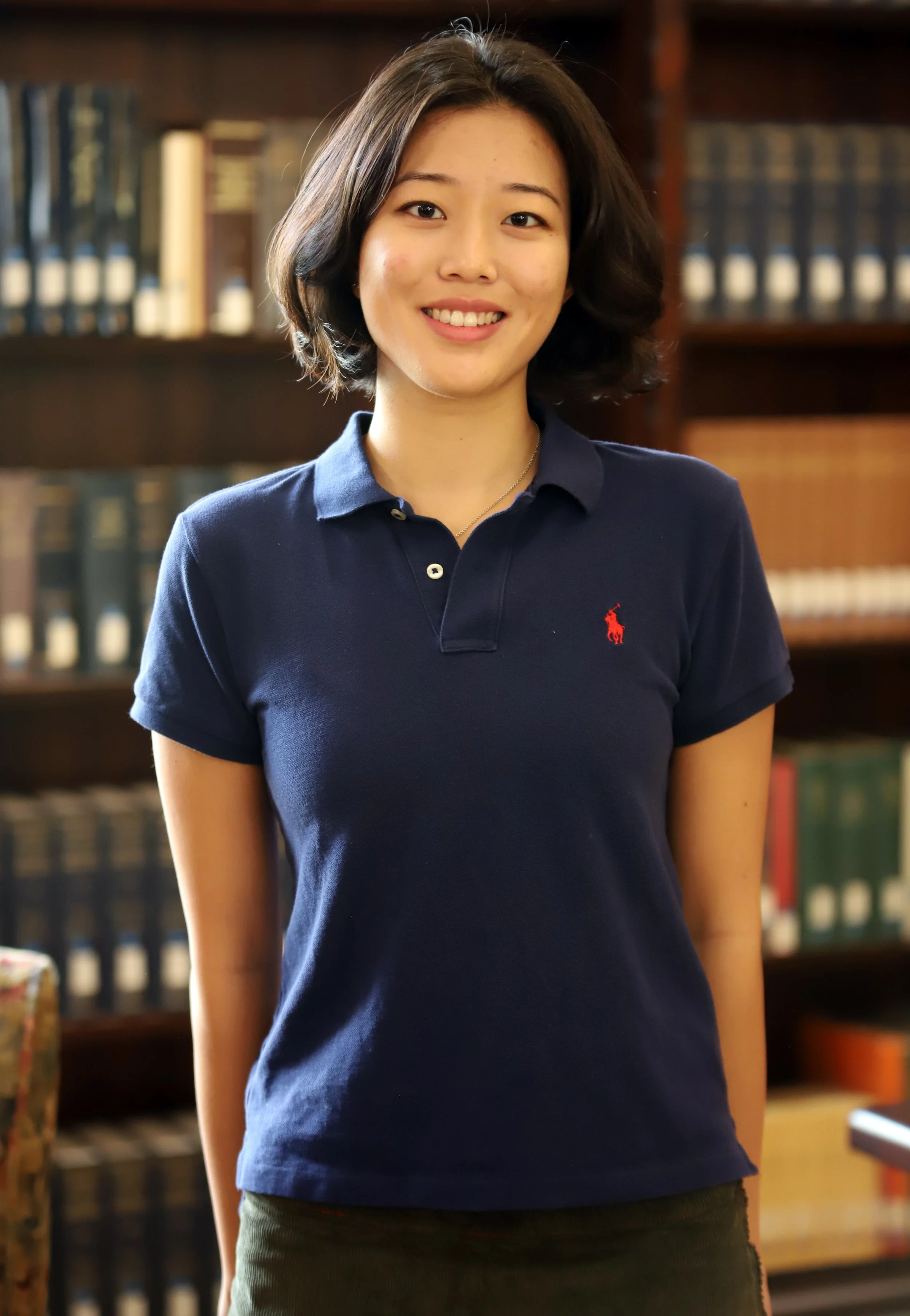
Elizabeth Won
“My background is in applied math, but my dream was always to go to law school. I did a SURF [Summer Undergraduate Research Fellowships program] project after my junior year under Professor Jennifer Jahner to expose myself to some legal research. Using case studies of ongoing disputes, we identified how AI in the legal system is currently treated as one of two things: something with agency or something that we use as a tool. These are both metaphors used to wrap our heads around AI because we don’t currently have strict legislation on how to use and how to govern AI. By nature, innovative technology consistently predates specific legal codification, leading law to turn to past precedents. However, because there is a lack of precise conceptual language, precedents become a type of metaphor. We explored different ways that science fiction literature looked at AI to see how these metaphors can lead to implications in our understanding and treatment of AI. Science fiction works like Frankenstein and short stories by Ted Chiang and Philip K. Dick allowed us to see abstract debates and discussions surrounding AI systems in a more concrete form. This brought together our study of the English language and the case studies, as it helped make sense of why specific governing bodies would look at AI the way they did through the language used. It also lent ways to talk about the consequences of looking at AI a certain way and how to take responsibility when something goes wrong in an automated system, which is everywhere in the news right now.
“Even though everyone at Caltech is focused on STEM, there was actually a great deal of diversity in people that I met. When I work on any type of problem, especially in law school and beyond, it’s very interdisciplinary. Carrying with me all different nuggets of perspective from my peers will be very beneficial going forward.”
Elizabeth Won is a 2026 graduate who double-majored in applied and computational math and English. An avid swimmer, she was a member of the Caltech swim team for four years. Won plans to attend Harvard Law School in the fall.
Luke Lamitina
Luke Lamitina holds the school record for the javelin throw and represented Caltech at this year's NCAA Championships, earning All-American honors and a fourth-place finish. Lamitina is graduating from Caltech with a bachelor's degree in astrophysics.
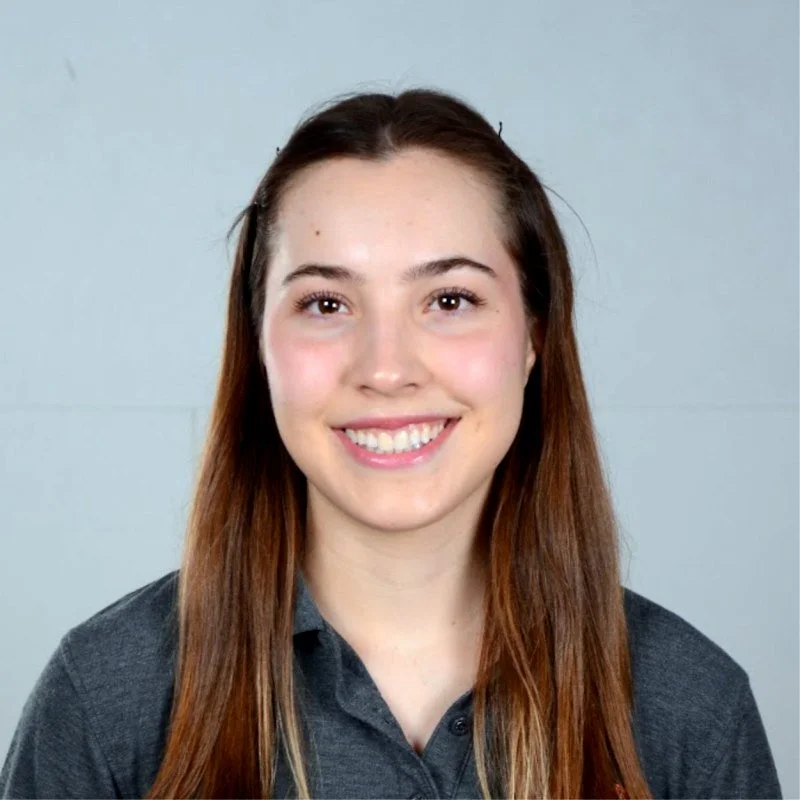
Madelyn Gilbert
“The relationships that I've made with friends, with mentors, with teammates are truly the things that are near and dear to my heart as I reflect on my time at Caltech. Two of my best friends graduated two years ahead of me—they were really integral in helping me acclimate to the social scene at Caltech.
“Caltech is very, very hard, and a big reason why I was able to get through it was my support system. My graduate student mentors have been amazing in helping me figure out what type of research I like to do, how I work in the lab, and then, outside of schoolwork, my friends, my boyfriend, my peers in my house—being part of that small community—that support system is probably what I’ll miss the most after I leave Caltech.
“Some of my best times here have been playing water polo and making friends on the team. That didn't come at the cost of my academics or giving up time elsewhere, but courses are so rigorous that you definitely do need some sort of outlet to help yourself decompress, and water polo was a huge outlet for me.
“I'm really proud of the breadth of knowledge that I've learned and the perseverance that it took to get to this point. I’m such a different person from the naive pre-frosh I was. The academic rigor here, it stretches you—but it ultimately makes you much stronger.”
Madelyn Gilbert, an undergraduate researcher in the lab of Sarah Reisman, will graduate in June with a bachelor’s degree in chemistry. She played on the Caltech women’s water polo team for four years, serving as its captain for two years. After graduation, she will pursue a doctorate in chemistry at Princeton University.
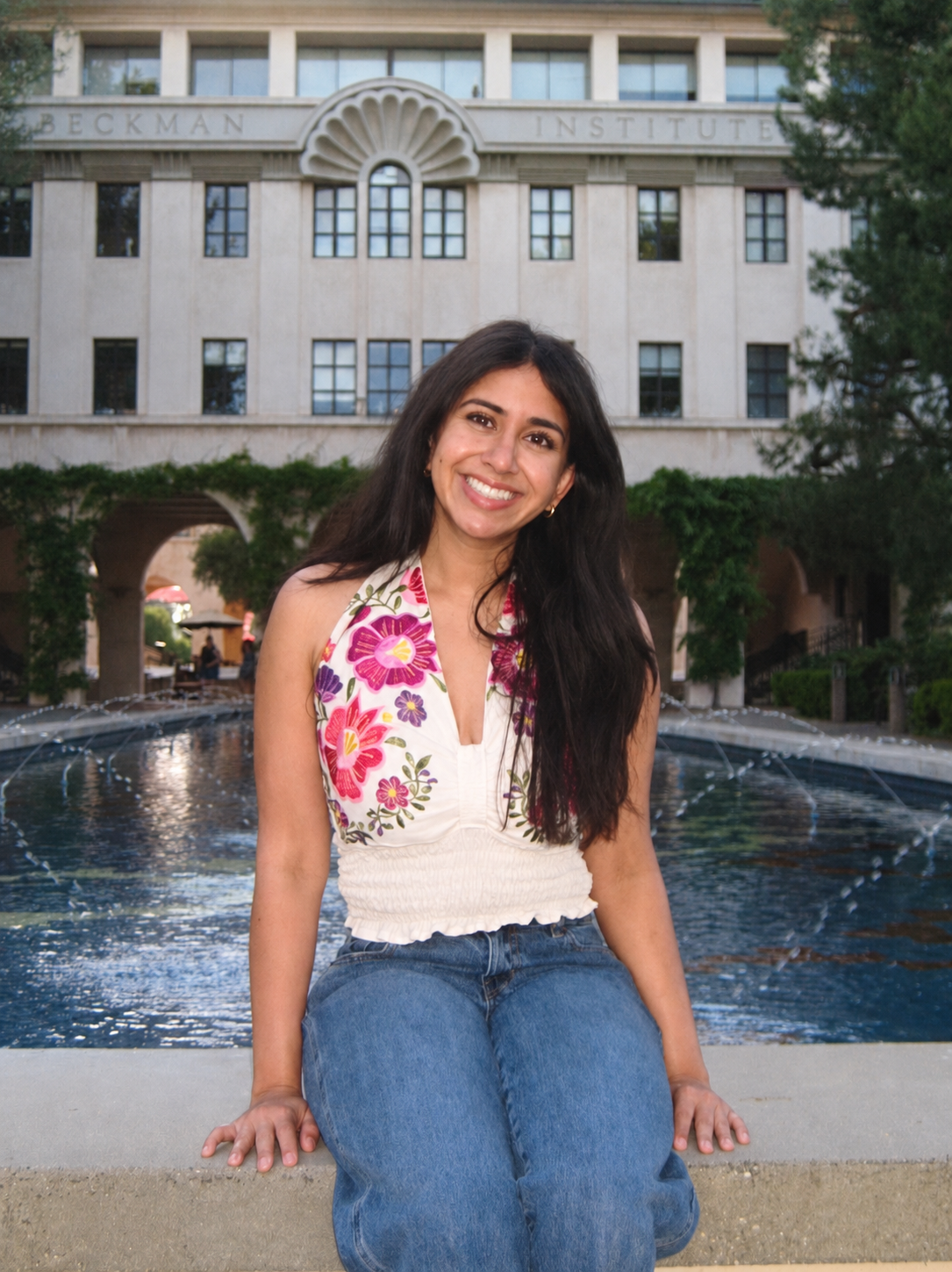
Rupali Batta
“I went to an all-girls high school, was on an all-girls robotics team, and my mom works in tech, so I credit a lot of my confidence in engineering to those spaces and role models. But I am also very aware that not everyone gets that advantage. Since I benefited so much from having encouraging girls’ spaces, I wanted to help build that kind of space at Caltech too. That’s why I lead the Society of Women Engineers [SWE] at Caltech. SWE hosts an event every year called Introduce a Girl to Engineering Day [IGED], where we bring 50 middle school and high school girls to campus and do a whole day of engineering activities. We have them make liquid nitrogen ice cream, make boba with sodium alginate and calcium salts, build marshmallow-spaghetti towers, and tour labs.
“My favorite part is always the raft-building activity. The girls have to build rafts out of cardboard, balloons, duct tape, bubble wrap, and PVC pipes, and then I test them out by climbing onto them in the Gene Pool. This past year, some of the rafts seemed a little ridiculous at first, tall instead of long, and I fully expected to fall backward into the water. I even wore shorts that day and put my hair in a bun, totally expecting to get soaked, but I didn’t! All the rafts held up.
“IGED means so much to me, because year after year, I get to watch girls run around Caltech, see labs, build things, and get excited about rocketry, biology, civil engineering, or whatever activity happened to capture their imagination that day. It feels very full circle. My interest in engineering stemmed from all those all-girls opportunities that I had, so to be able to give that back to a new generation of girls is so meaningful to me.”
Rupali Batta is a fourth-year undergraduate majoring in computer science and minoring in robotics. She has been a software development intern at Amazon Web Services and at AMD, a quantitative research intern at BlackRock, and a propulsion systems intern at the Jet Propulsion Laboratory, which Caltech manages for NASA. She is the current president of Caltech’s Society of Women Engineers. In the fall, she’ll begin her doctoral program at Oxford University and pursue research in robotics.
Shrishti Pankaj Kulkarni
“In my first year, I was able to take a student-led computer science class, which was my first introduction to the world of quantum computing. When I became a senior, I realized that I wanted to teach my own class, because I am fascinated by pedagogy and have taken a few courses about the topic to learn more about the advancements and effective techniques in the field. But I realized there was no structure to teach a class as a student within my option, physics. Because of Caltech’s small size, and the physics option’s small size, I knew the head of the option and the executive officer of physics from taking their classes, so I was able to email them and say, ‘Hey, I really want to do this. How can we make it happen?’
“We worked together over the past year to basically establish student-led courses in physics, and they were super supportive. This term, I was able to teach a class with my friend, Mark Gherghetta [fourth-year undergraduate], and that’s been super amazing. The course bridges a gap between learning quantum mechanics and getting into quantum computing research, especially on the experimental side, on campus. Mark and I work in labs that focus on experimental quantum computing, so we wanted to show the reality of that work and establish some fundamentals for students who want to do this kind of research. I think that’s one of the highlights of my experience here—just being able to take everything I’ve learned from research and from classes and make an entirely new course for others, which has also been extremely rewarding and a great way for me to expand on what I previously knew.”
Shrishti Pankaj Kulkarni is graduating from Caltech on June 12, 2026, with a bachelor’s in physics and a minor in computer science. The course that she taught, “Fundamentals of Experimental Quantum Computing,” was part of a pilot seminar of courses, which will later be codified into Ph 13: Student-instructed courses in Physics. As a member of Venerable House, Shristi has also served as internal vice president of the Caltech Y and performs Kathak, a classical Indian dance form, with Caltech Aarya, the classical South Asian dance club on campus. After graduating, she will begin a PhD program at UC Berkeley, continuing her research in atomic physics and quantum computing.
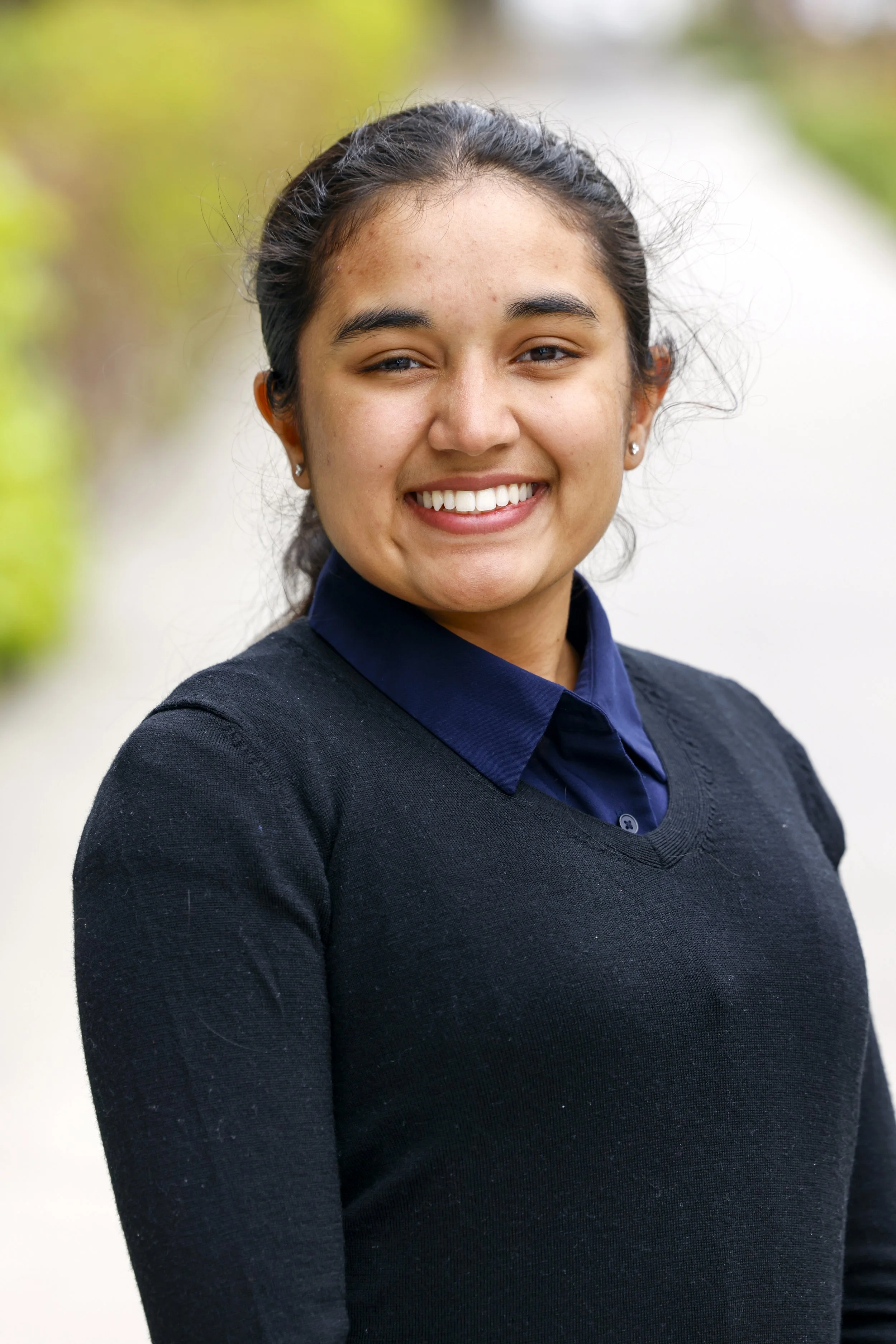
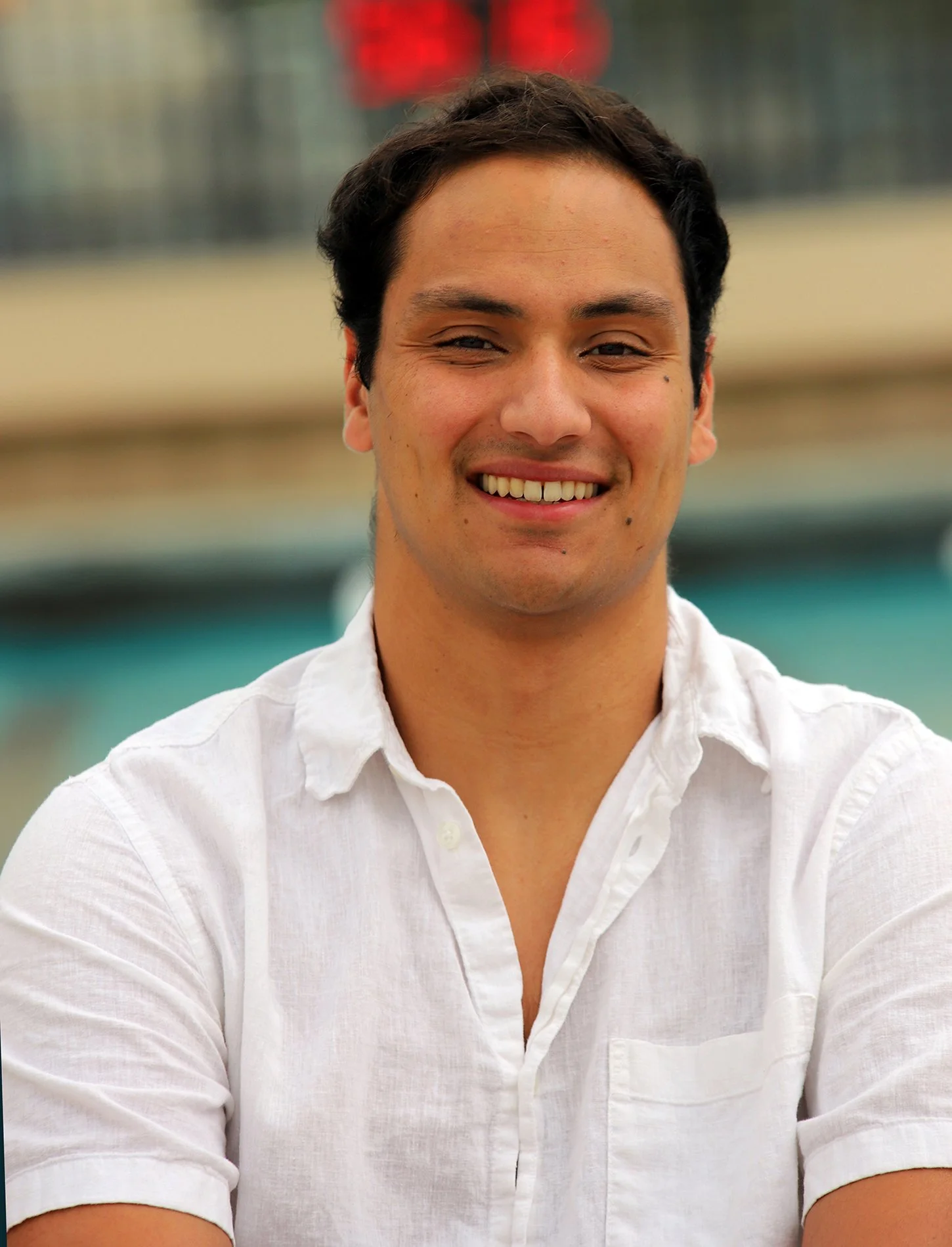
Sidd Ojha
"When it came time to make a decision about coming to Caltech, and I had the opportunity to visit some schools, somehow Caltech was just the most out there. It was so radically different, very small and collaborative. Also, being able to swim while here didn't hurt.
“I've been swimming since I was in elementary school. It's been very much a constant in my life. What I really love about it is that it's very cut and dry. Some people hate this, but it's always just you and the clock, and there's a consistent benchmark. You're competing with your teammates, and you're pushing each other, but you're ultimately competing with a clock, and there's something very meditative about that. It frees up your mind, and you really have to focus on what you're doing. It's this great break from all the demands of the rest of my day.
“Being on the swim team has given me a tremendous community of people who are driven in and out of the pool, whether it's working on problem sets during team study sessions, being TA’ed by older members on the team and then getting to serve as a TA for younger members of the team, and publishing papers with teammates. My favorite memories from the past four years on the team are the swimming conference championships and all the energy and the excitement we had there. Everyone had been working so hard the whole season leading up to this single meet. It's three and a half days fully away from campus and everyone's just screaming and supporting. It's incredible."
Sidd Ojha is a 2026 graduate who double-majored in applied and computational math and economics. He came to Caltech undecided with an interest in physics, but after attending Colin Camerer's 2022 Watson Lecture, "The Brain Hates Losing (and Other News from Neuroeconomics)," he decided to explore behavioral economics. After his first year, Ojha did a research project with Camerer and has worked with him throughout his undergraduate experience. Upon graduating, Ojha will join OneChronos, a startup companyat the intersection of mechanism design and capital markets founded by Caltech alum Kelly Littlepage (BS '09).
Soyoung Shin
“I was a non-STEM major when I moved to the US 10 years ago, and I never thought I could be good at science. But my parents were like, ‘You're in the new world, why don't you try new stuff?’ I don't know why, but I decided to study chemistry—and it was amazing. … Somehow I got into UCSD as a transfer student, and I joked to my friend that I would go to Caltech for grad school. But then I actually got in.
“I was kind of nervous because I didn't have a deep background in STEM, but when I first came in, people were very nice. From my perspective, I thought, ‘I’ll be the dumbest one in my cohort,’ so I was so ready to learn from them. And then they were so kind to teach me—but at some point, I was actually able to help them. They were impressed by my math skills, for example, and I was so excited because it was a two-way exchange at some point. For me, that was very memorable. I am very proud that I succeeded. I'm done, and I'm getting the degree! I have the first PhD in my whole family, and it’s from Caltech—a school that everyone knows. This is kind of a big deal.”
Soyoung Shin received her MS in chemical engineering in 2024 and will graduate with a doctorate in chemical engineering this June. Her research, in the lab of medical engineer Wei Gao, focused on developing bioinspired wearable biosensors for continuous sweat sampling and metabolic monitoring, with the goal of advancing noninvasive tools for tracking gout and other metabolic diseases.