
The two-day open house returned after a three-year hiatus, celebrating JPL’s 90 years of exploration and 40-plus NASA missions in flight
Rovers, Moon rocks, and intergalactic travels between exoplanets—all kinds of space exploration and discovery were on display earlier this month at Explore JPL, where more than 26,000 visitors from around the region were treated to an immersive learning experience.
The free community event at the Jet Propulsion Laboratory, which Caltech manages for NASA, provided opportunities for visitors of all ages to connect with scientists and engineers who lead groundbreaking missions that are reshaping our understanding of the earth and the universe; to explore Caltech and JPL’s partnership with NASA in leading the robotic exploration of the solar system, which stretches back 90 years; and to imagine the future of space exploration and discovery.
Exhibits throughout the event were developed around four thematic areas: Missions That Changed the World, Moon to Mars, Missions in Flight, and Makerspace. Visitors had opportunities to see JPL’s legendary Space Flight Operations Facility (mission control), where engineers send commands and receive data from spacecraft billions of miles away. They saw the Spacecraft Assembly Facility and the JPL Machine Shop, where precision spacecraft components are crafted.

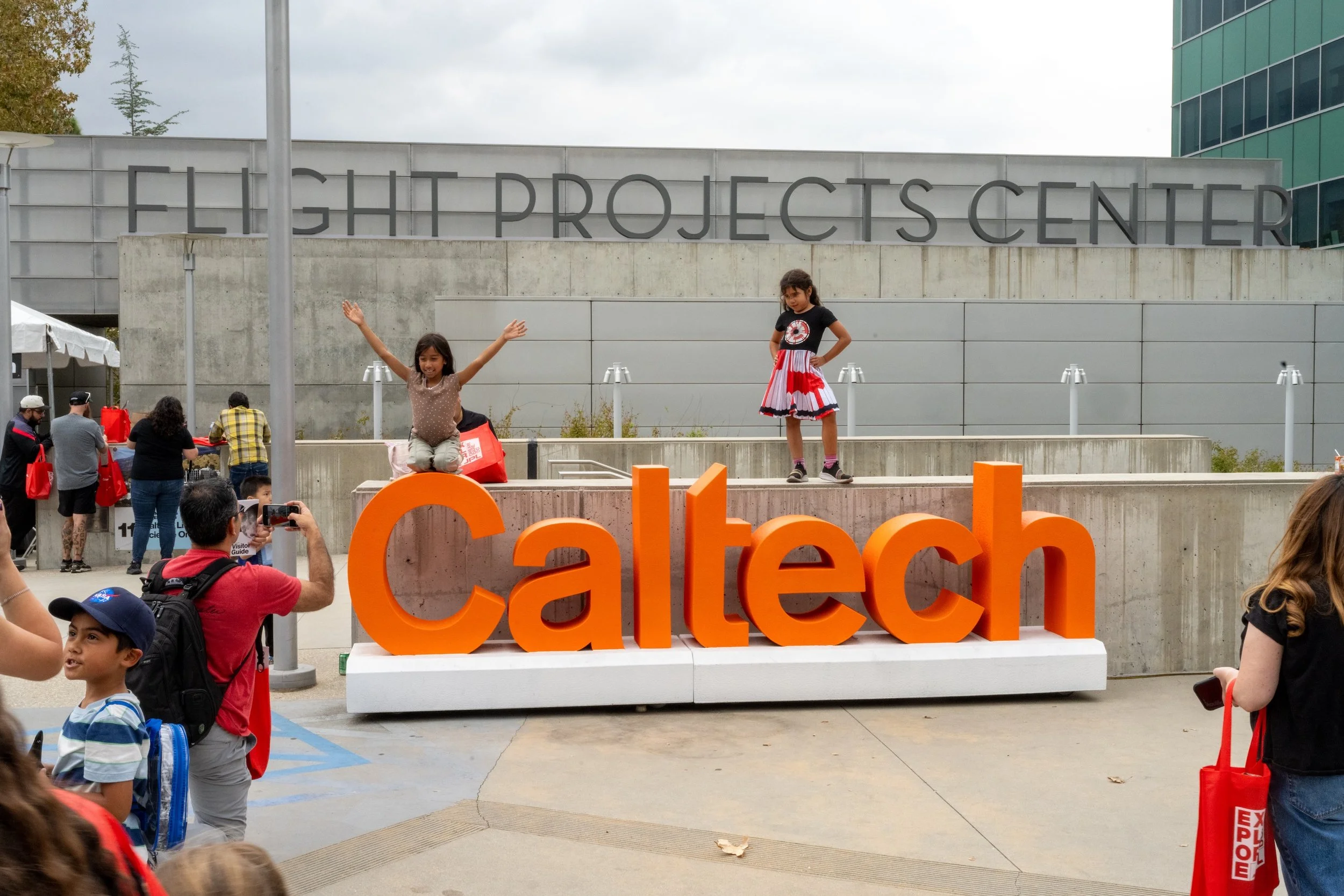
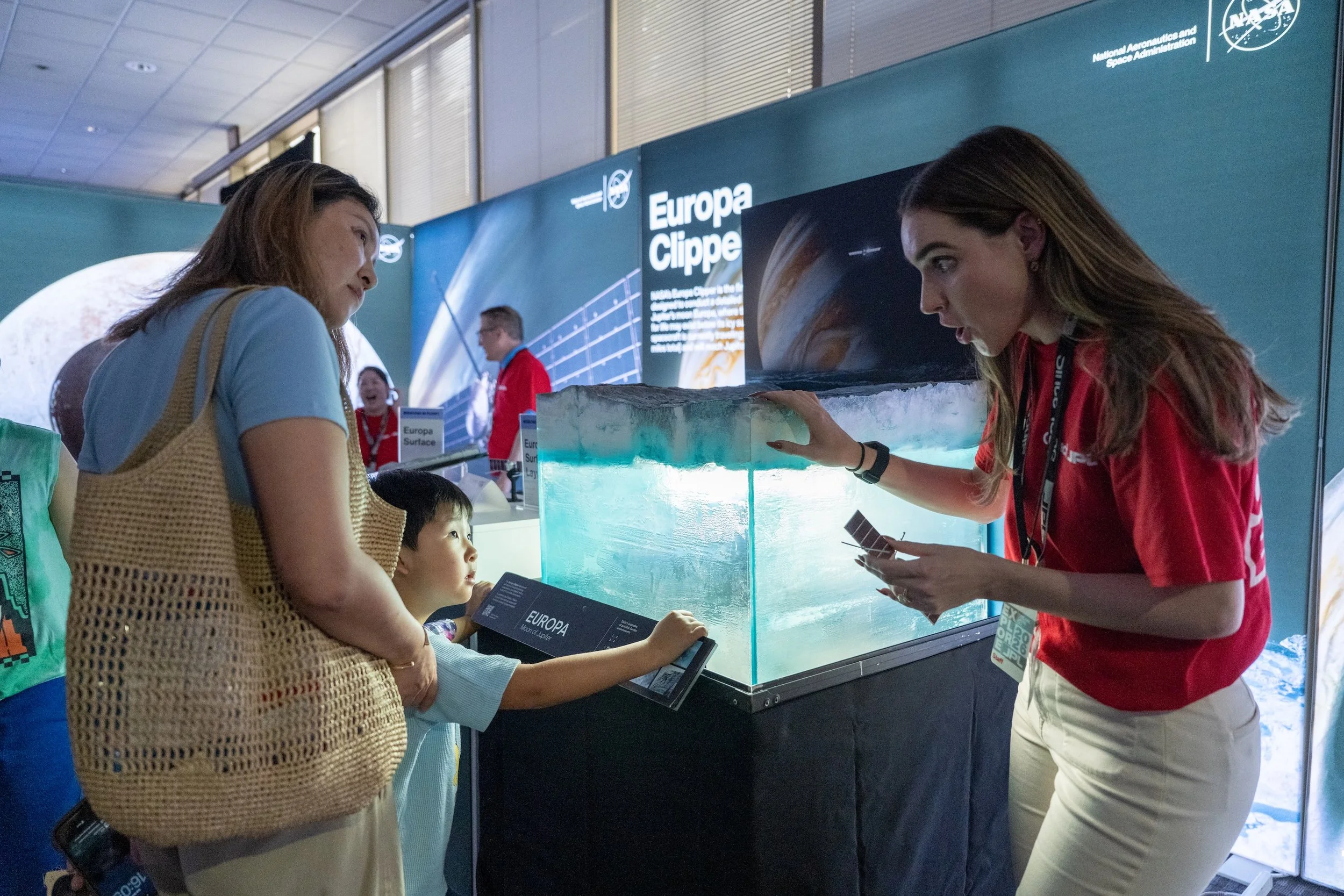
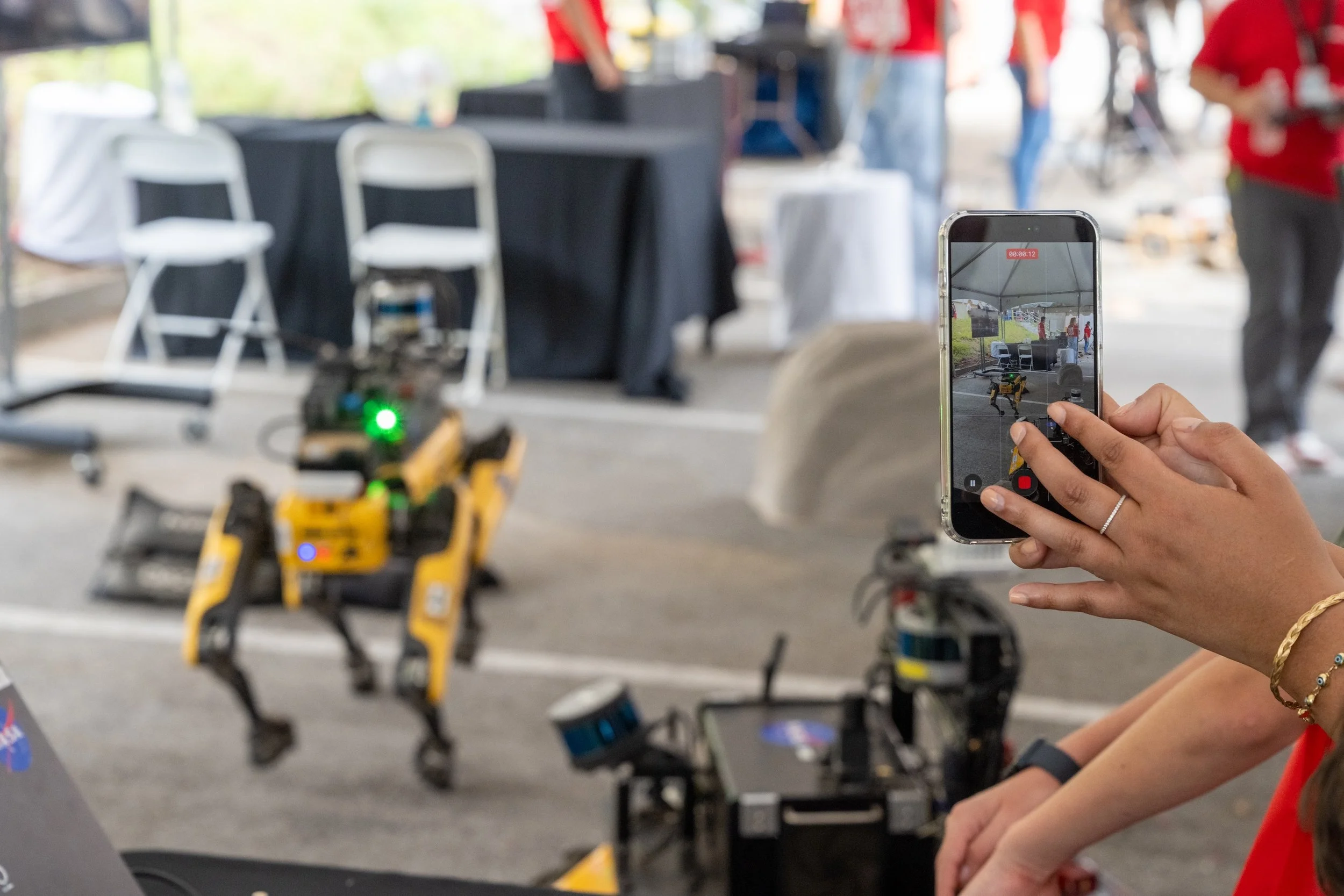
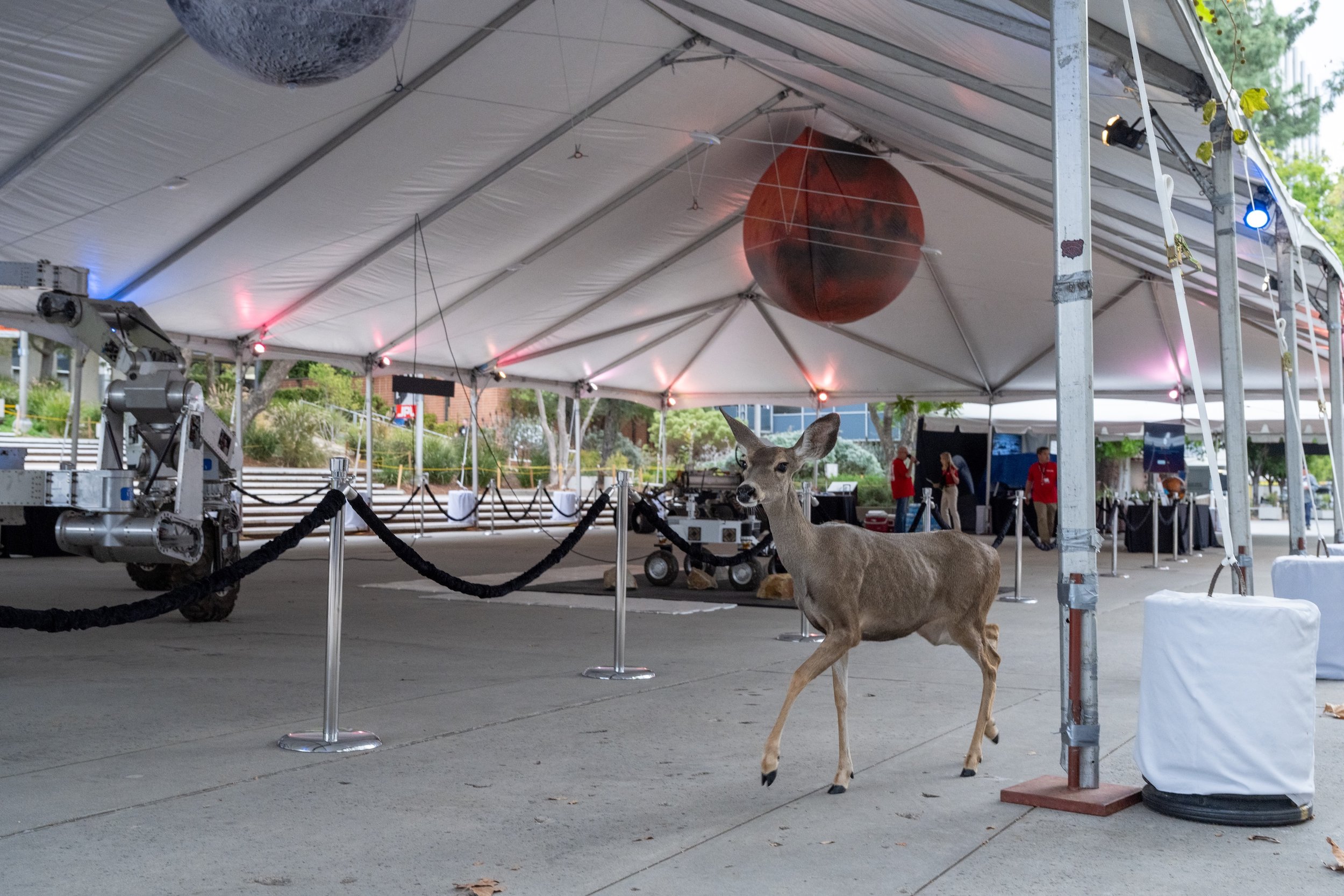
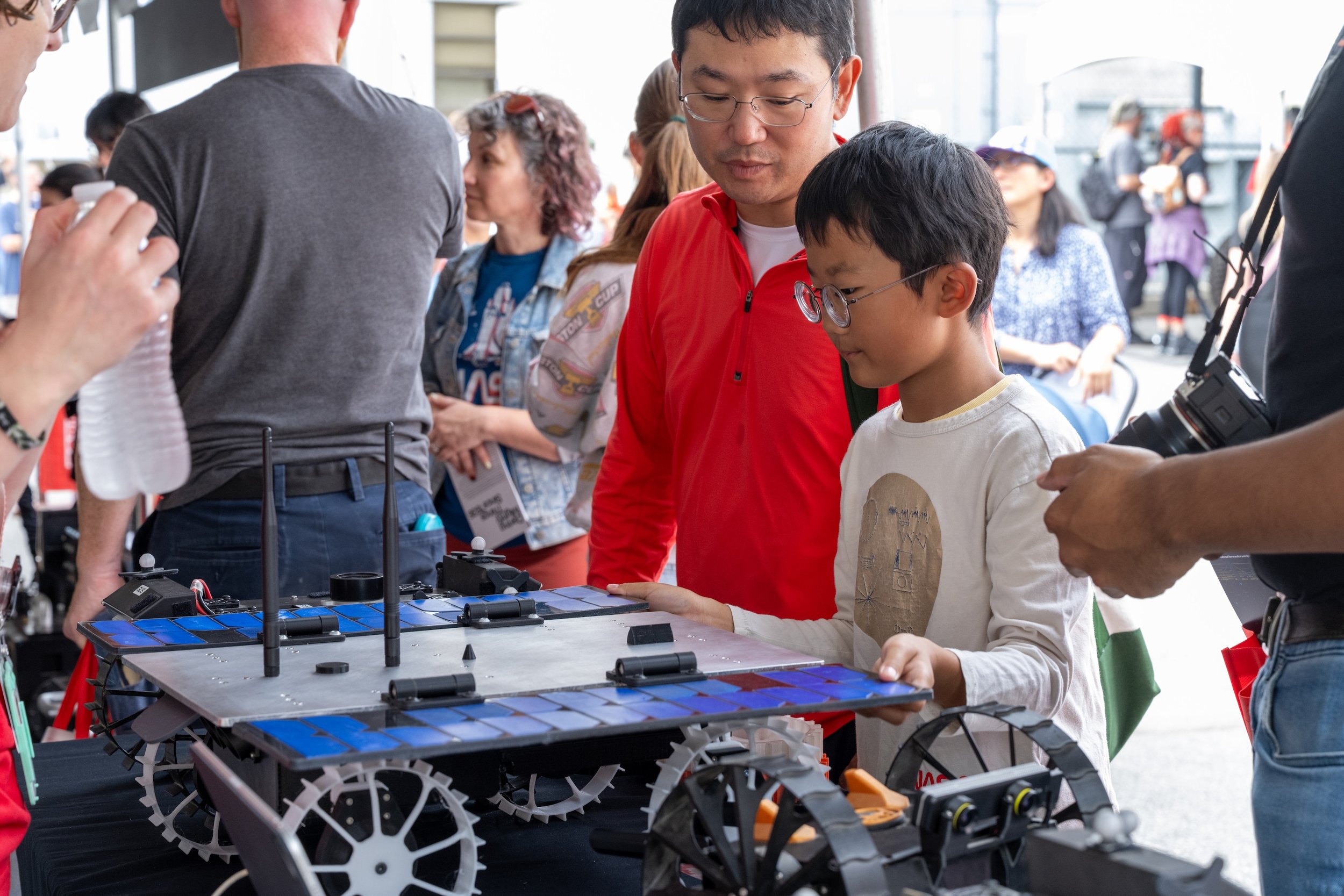

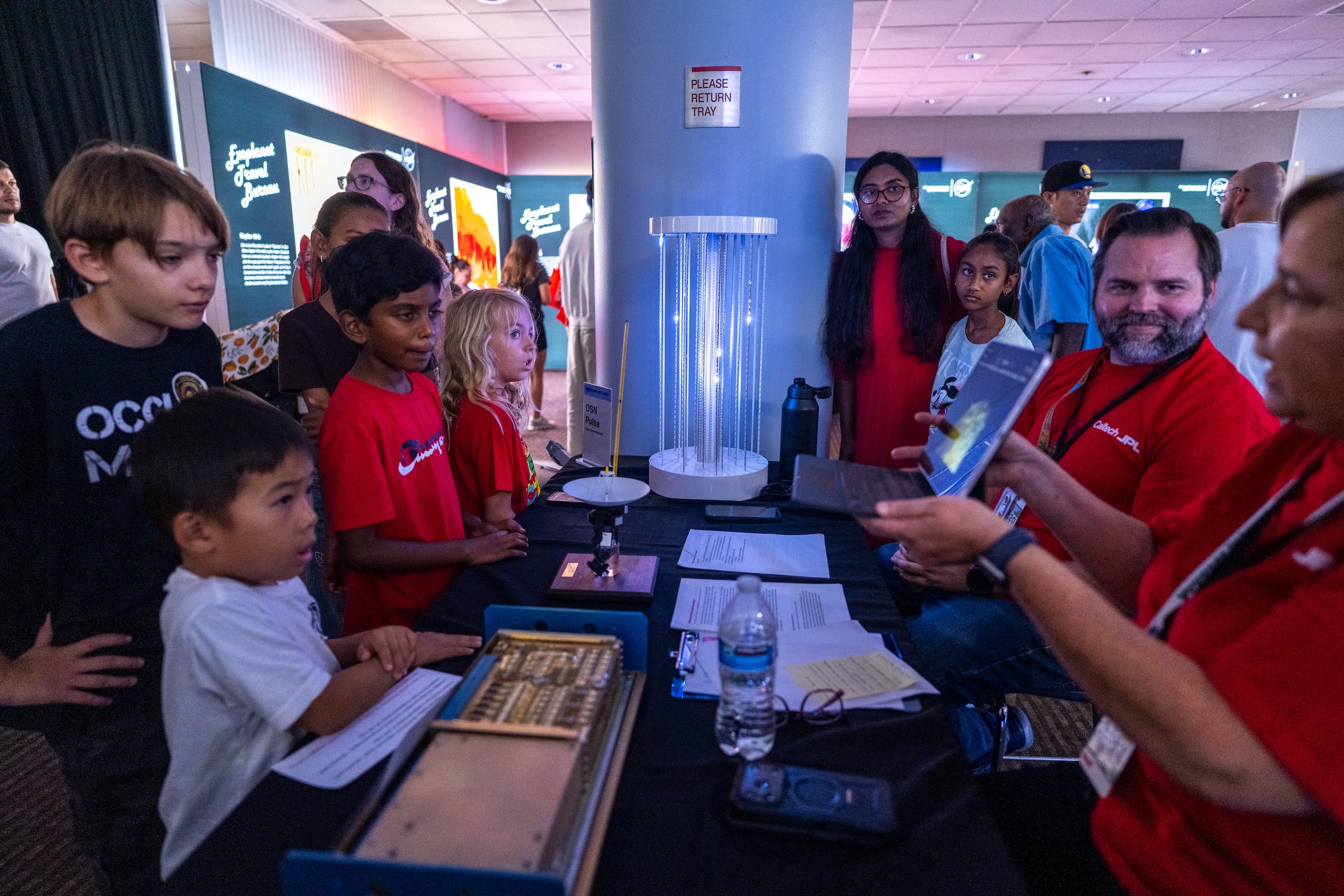
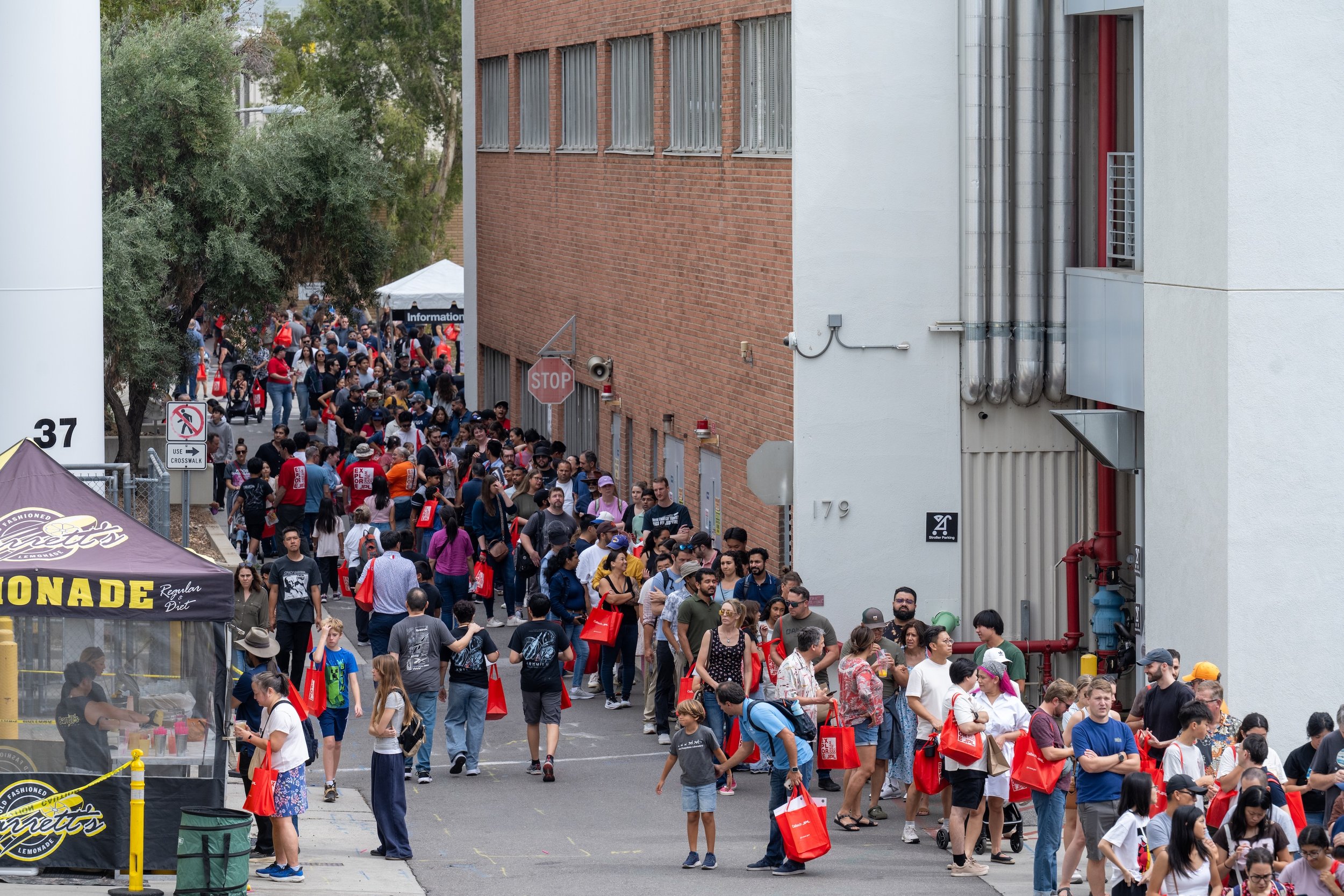
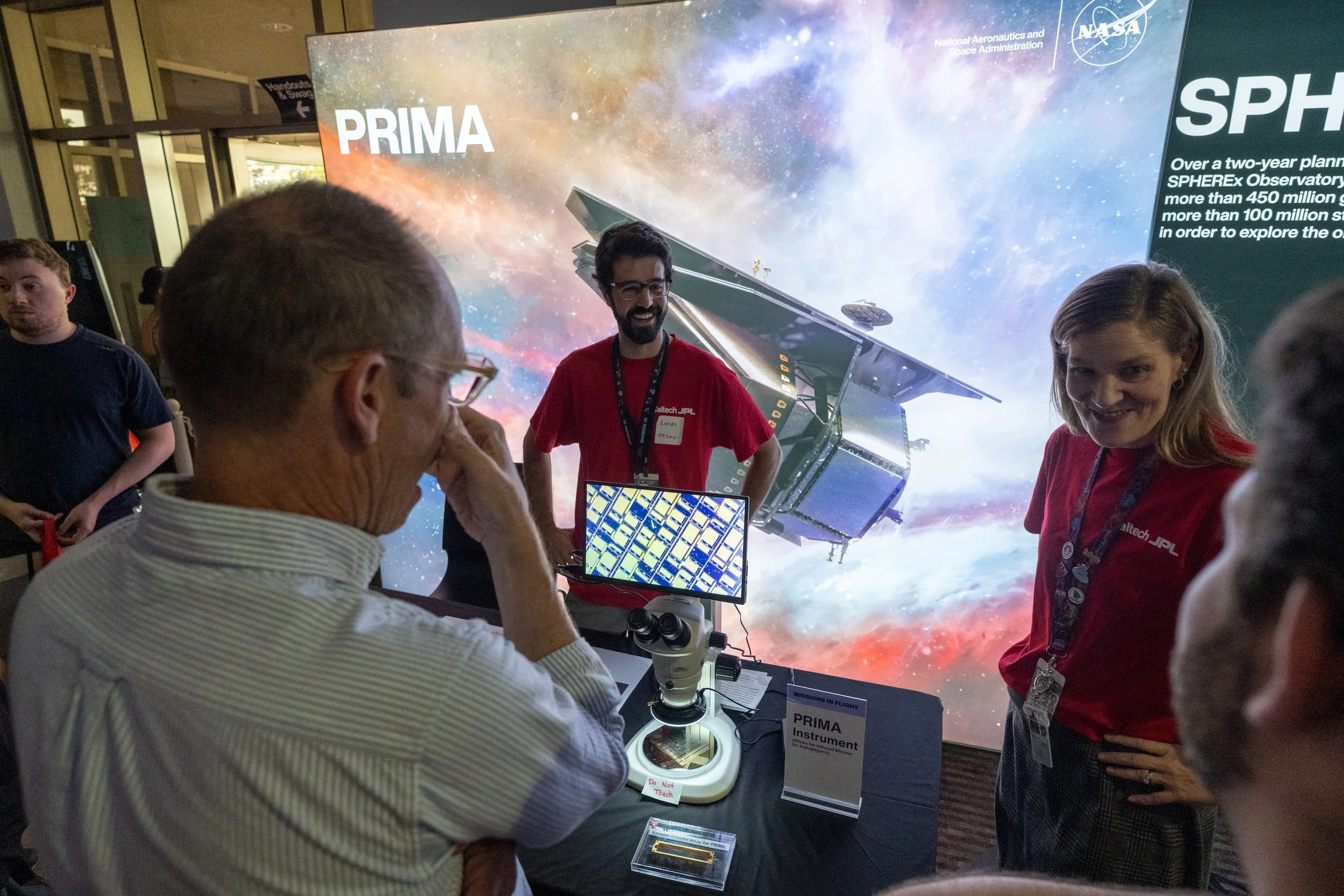
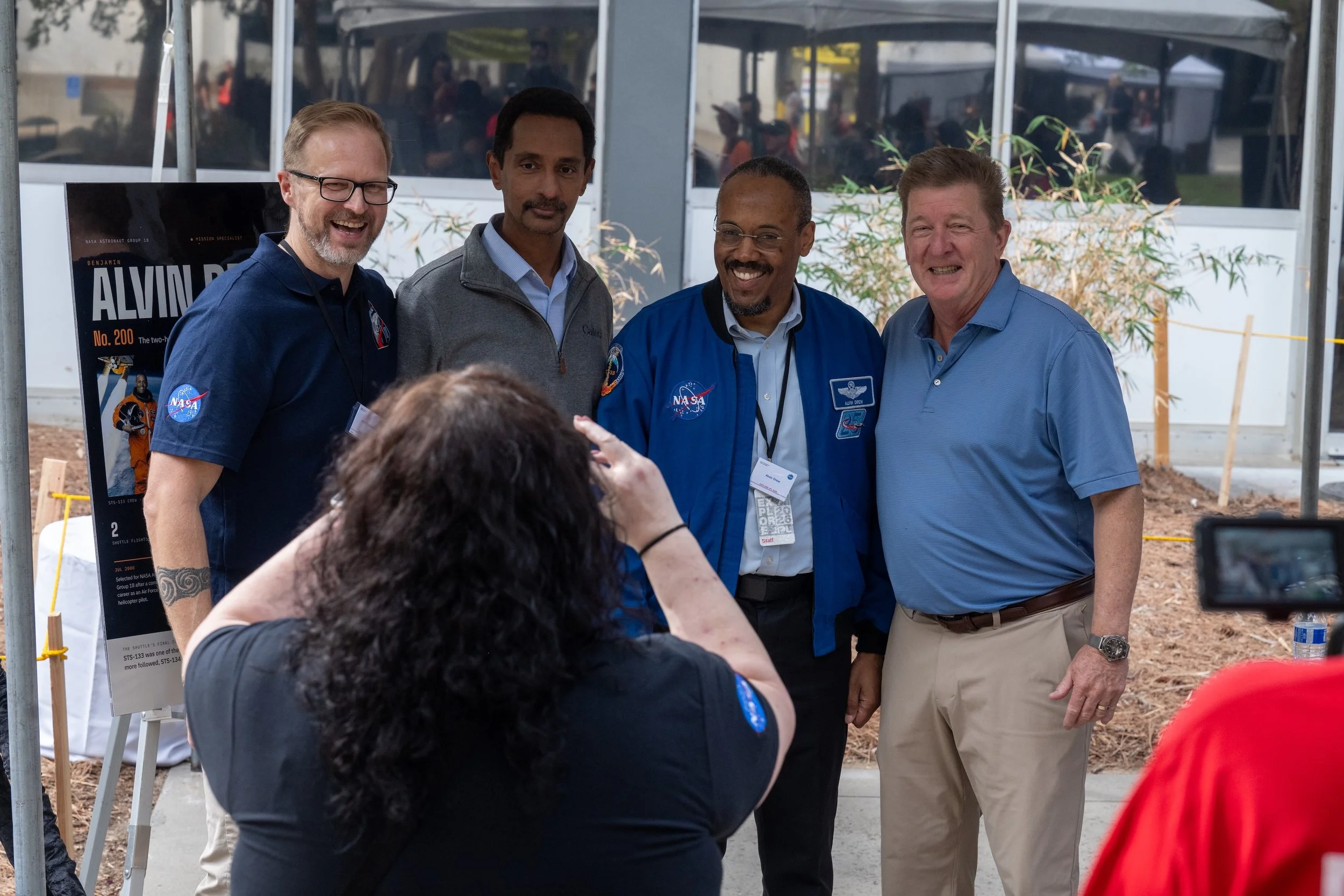
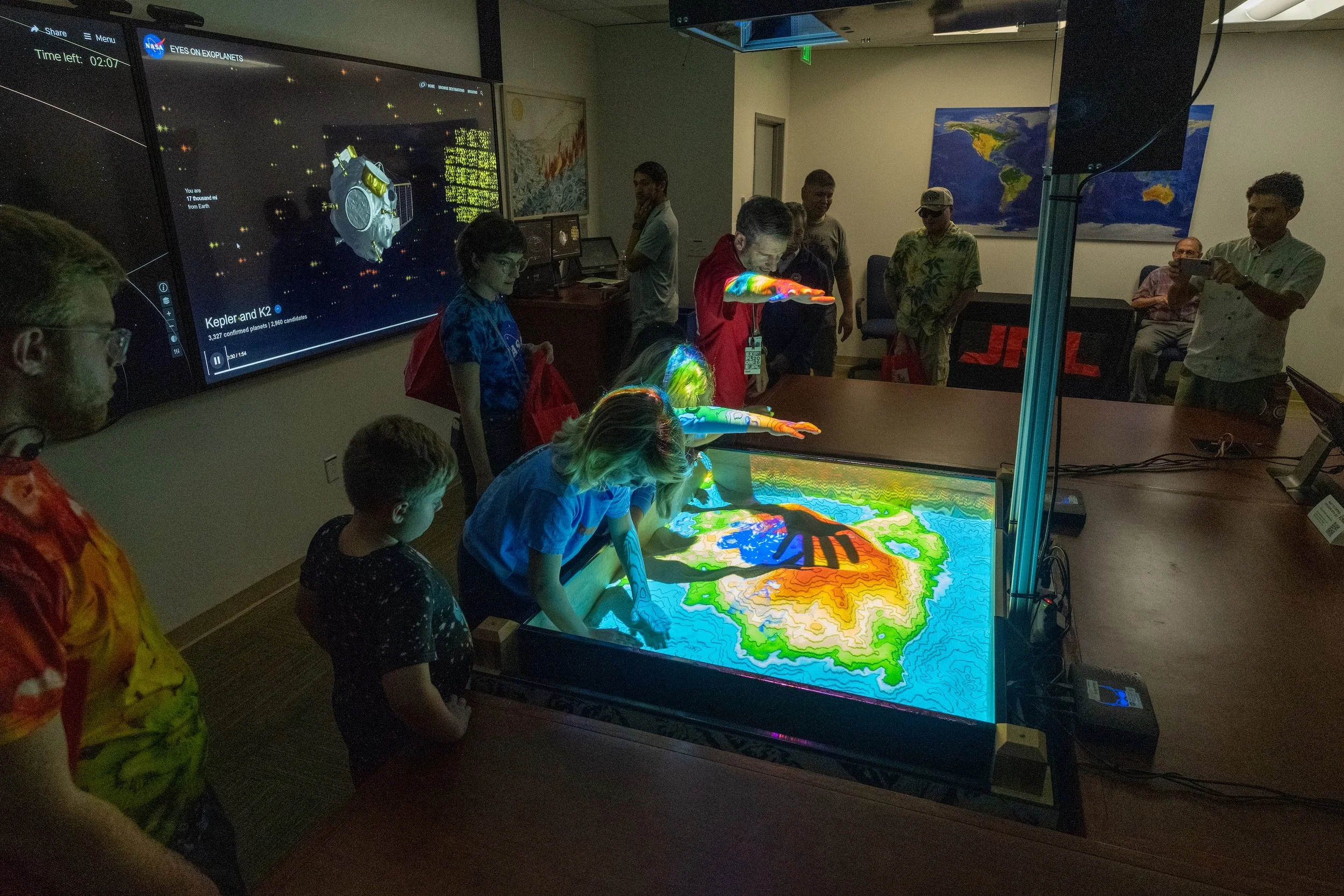
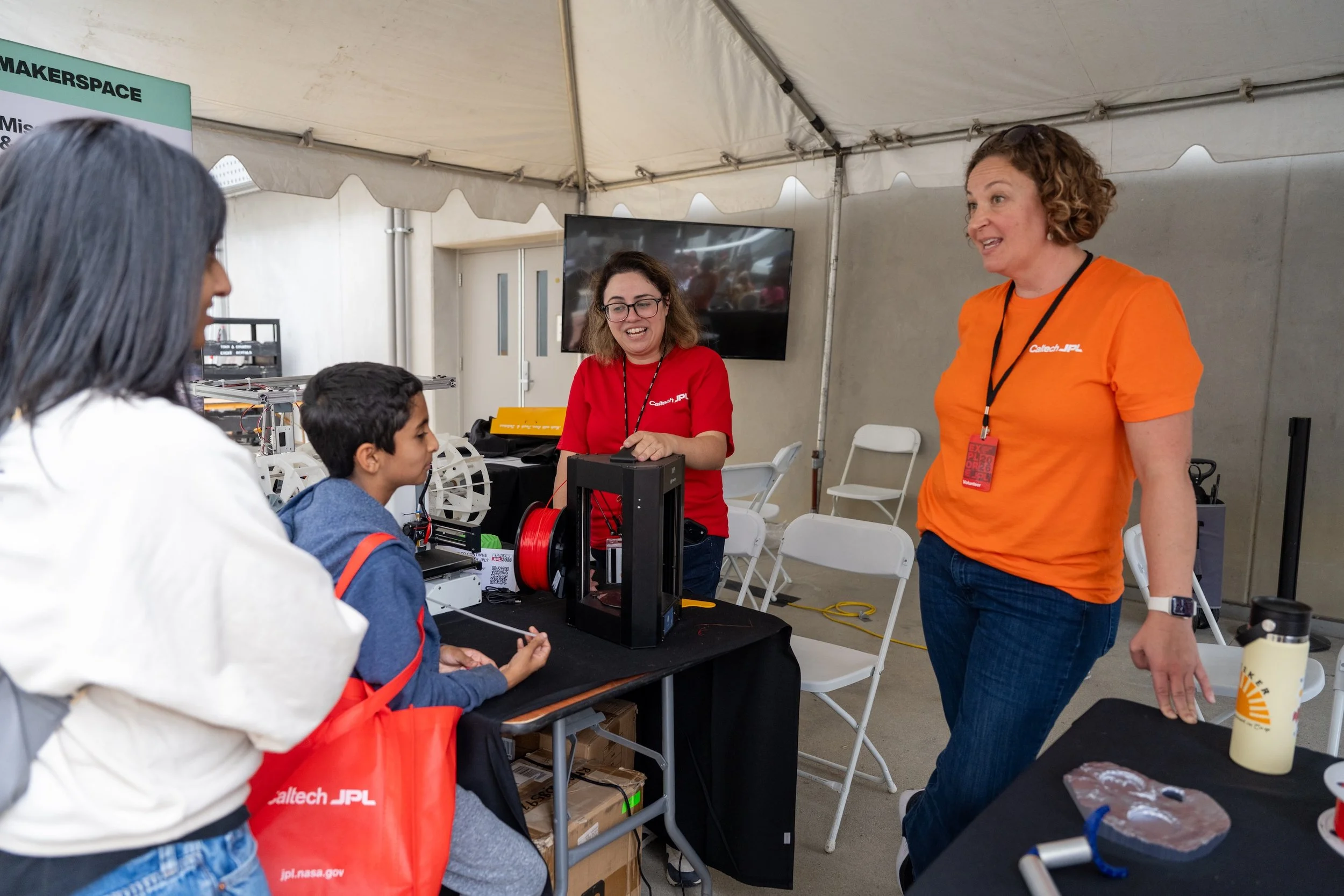
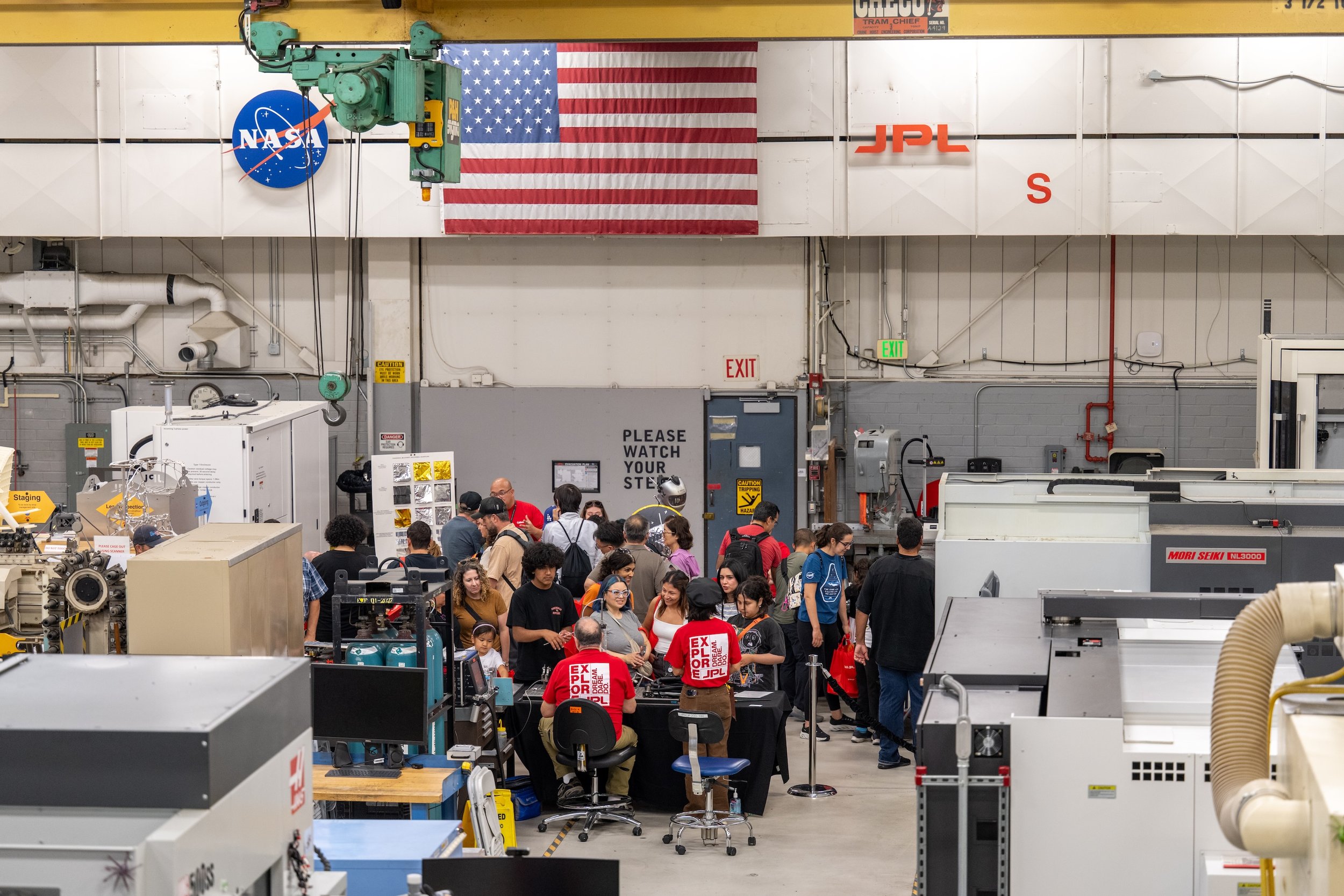
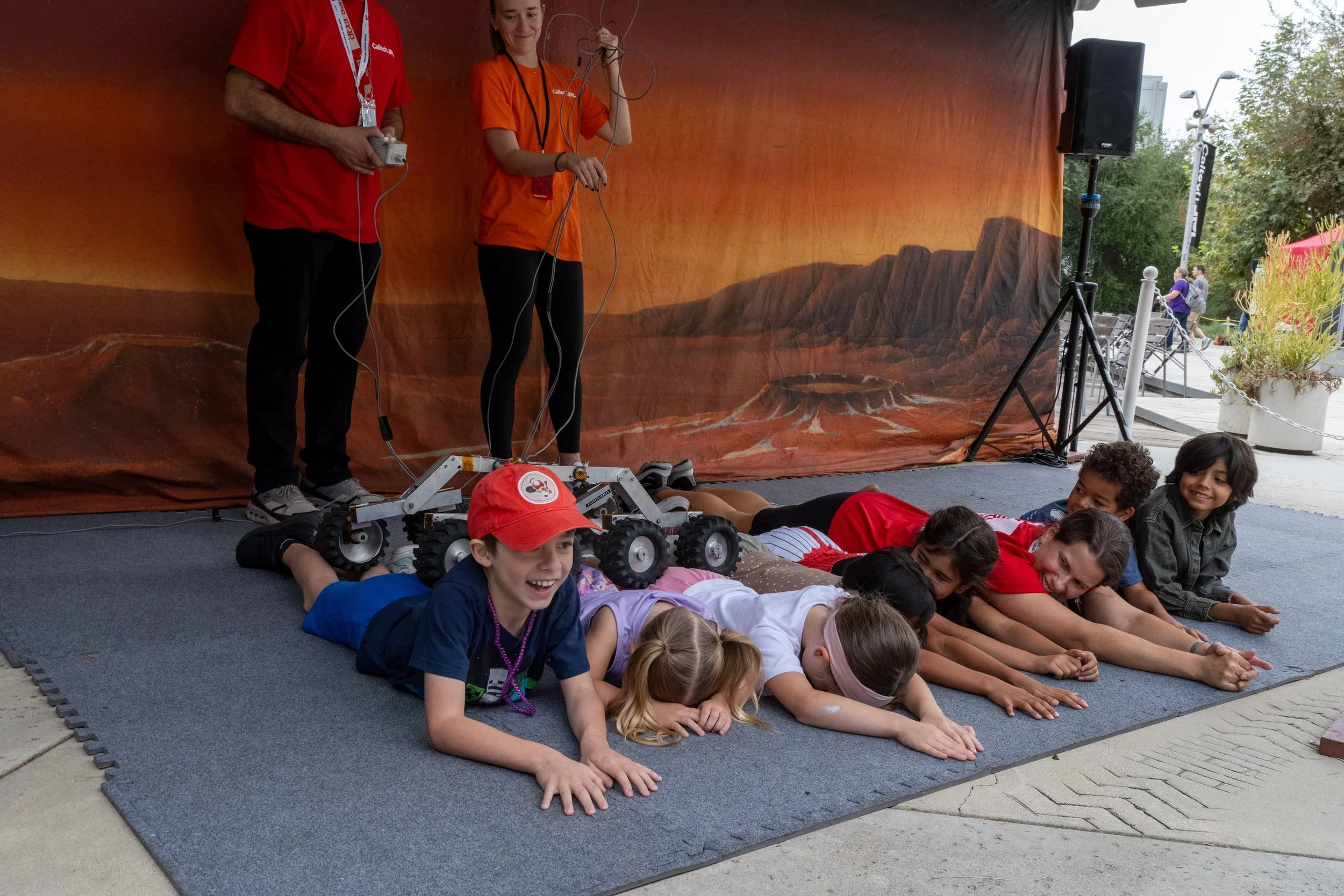
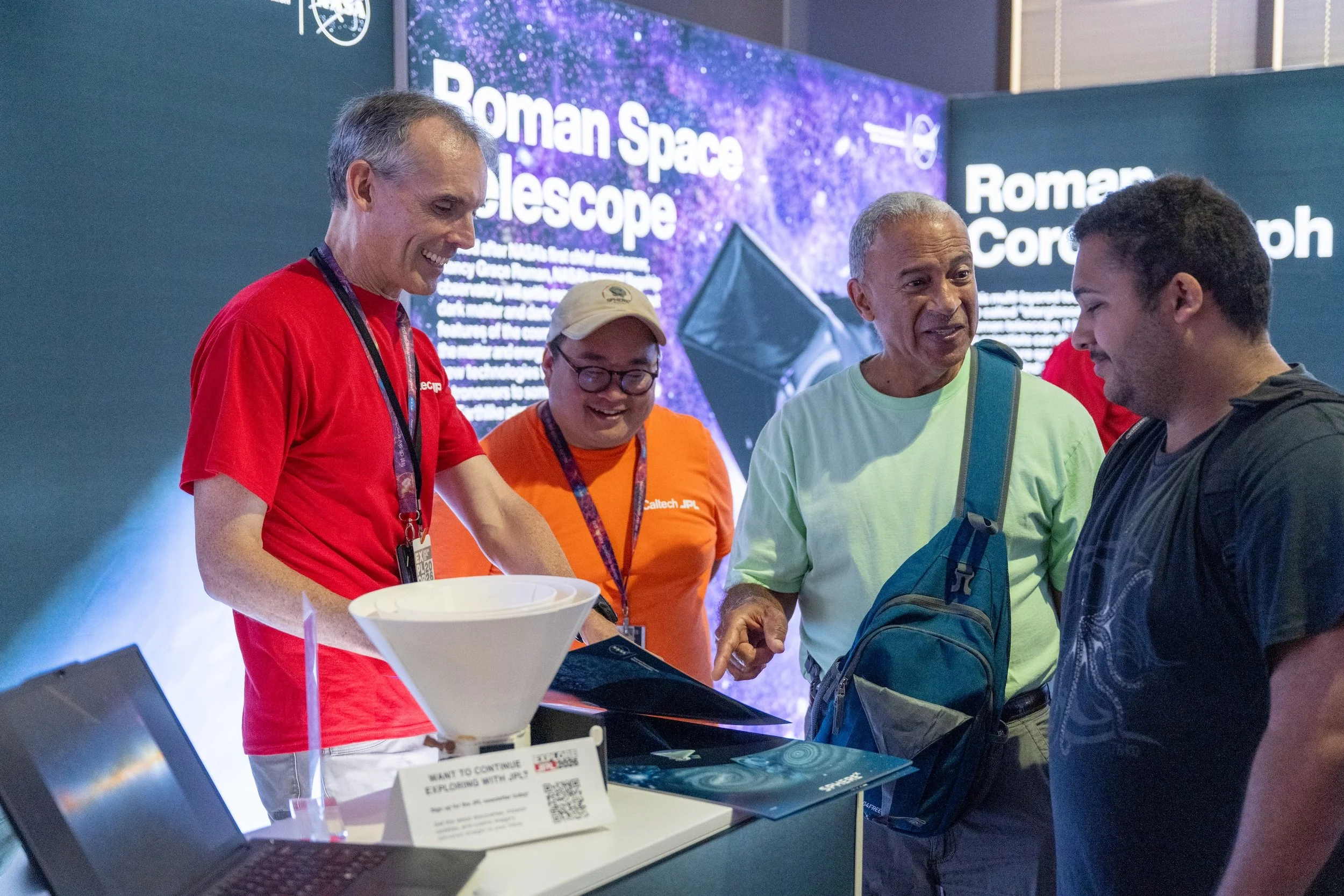
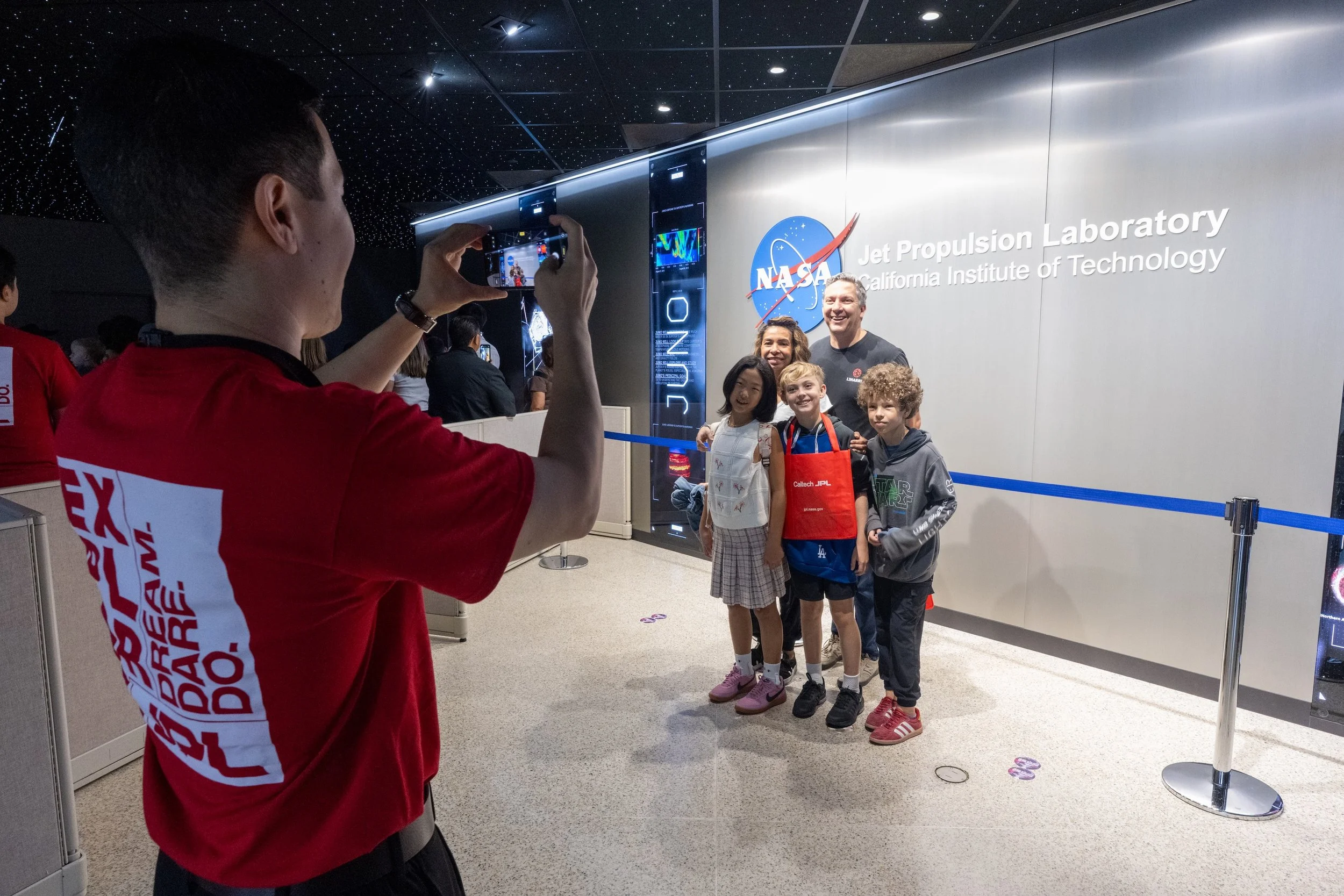
Explore JPL offered access to full-scale models of the Perseverance Mars rover, Voyager, and Galileo, and allowed guests to step into the Microdevices Laboratory to see how miniature technologies, such as the CMOS sensor (which enabled the world of smartphone cameras), are developed. Hundreds of employees, students, and faculty from Lab and campus volunteered throughout the weekend, sharing their personal stories, passions, and expertise. NASA astronaut Alvin Drew also greeted guests and drew fans of all ages.
As a special addition to this year’s Explore JPL, Caltech’s Postdoctoral Association led a series of lightning talks, featuring 35 postdoctoral researchers and graduate students over the two days. The early career scientists and engineers discussed flying a helicopter on Mars, detecting and studying black holes, using computer simulations to study gas in galaxies, building a new radio-camera observatory in Nevada, and more.
“The energy at JPL was electric,” said graduate student Zachary Chase (MS' 24), who volunteered throughout the weekend. “I spoke to a thousand or more people that stopped by the Rapid Prototyping booth, and what struck me was how interested each of them was, not only about how JPL creates spacecraft components but how I contribute to that mission. I received at least as many questions about my PhD work at Caltech as I did about my collaboration with JPL. It was clear that the community thought highly of JPL because of its connection to Caltech and vice versa.
“Additionally, I was surprised at the number of technical questions coming from children, craftspeople, and artists alike. It was clear that the hunger for deep specific knowledge is present across so many communities. Equally clear was the need for JPL and Caltech to continue serving as conduits for that knowledge.”