
Prized Pivots: Caltech’s Chang Prize Helped These Four Alumni Pursue New Passions
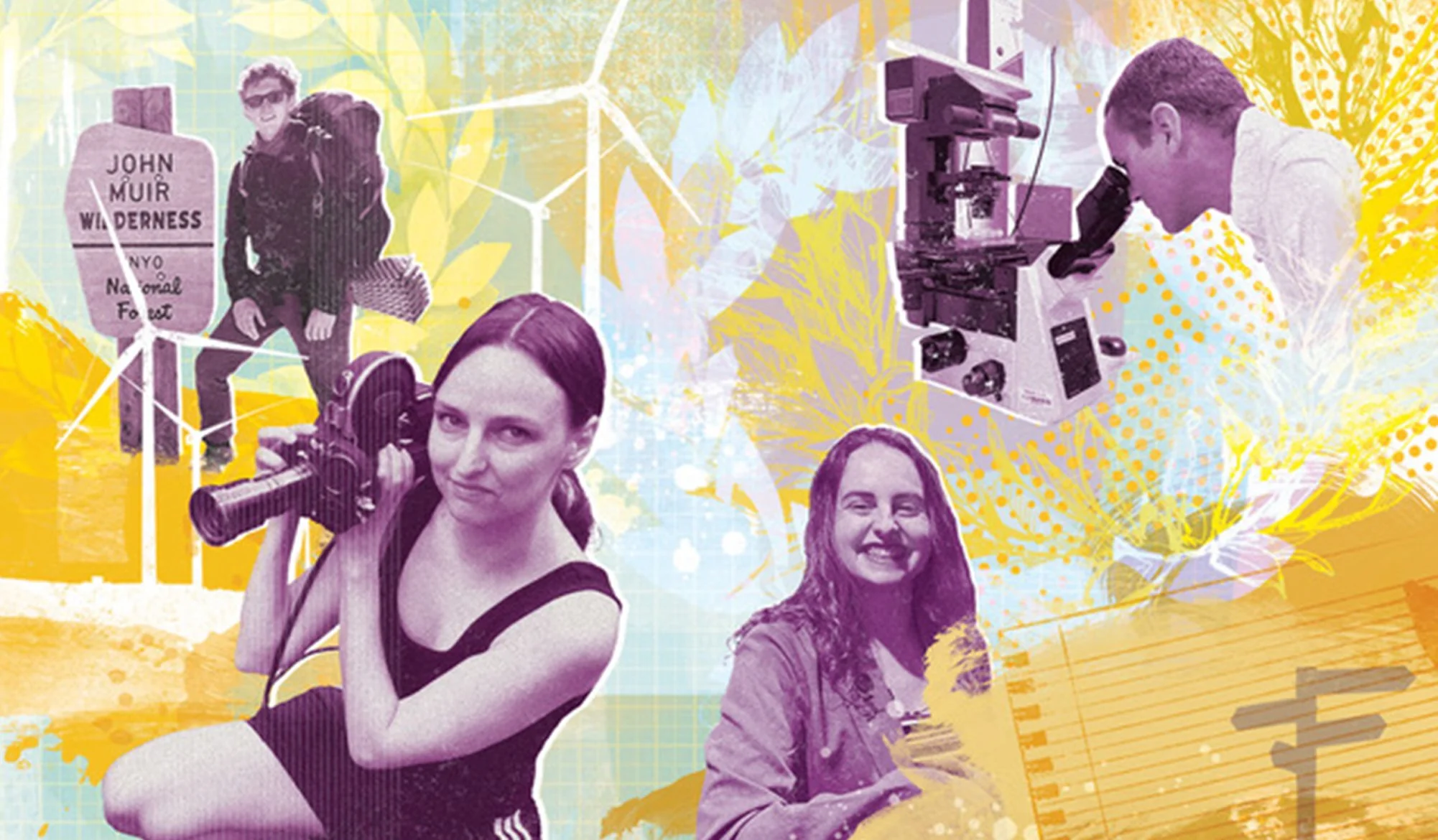
Illustration by Marian Femenias-Moratinos.
By Alexander Gelfand
The Milton and Rosalind Chang Career Exploration Prize rewards big swings. The prize, awarded by the Caltech Alumni Association, provides up to $65,000 to help graduates who received their degrees within the last decade to pursue interests outside of their careers through innovative projects with meaningful societal impact. “This award is about allowing people to take a really big detour in life—to do something that challenges and scares them,” says Tara Gomez-Hampton (PhD ’11), who chairs the Chang Prize committee, adding that proposals are assessed for audacity as well as merit.
Here are four recipients who have used the prize to pursue unapologetically ambitious goals.
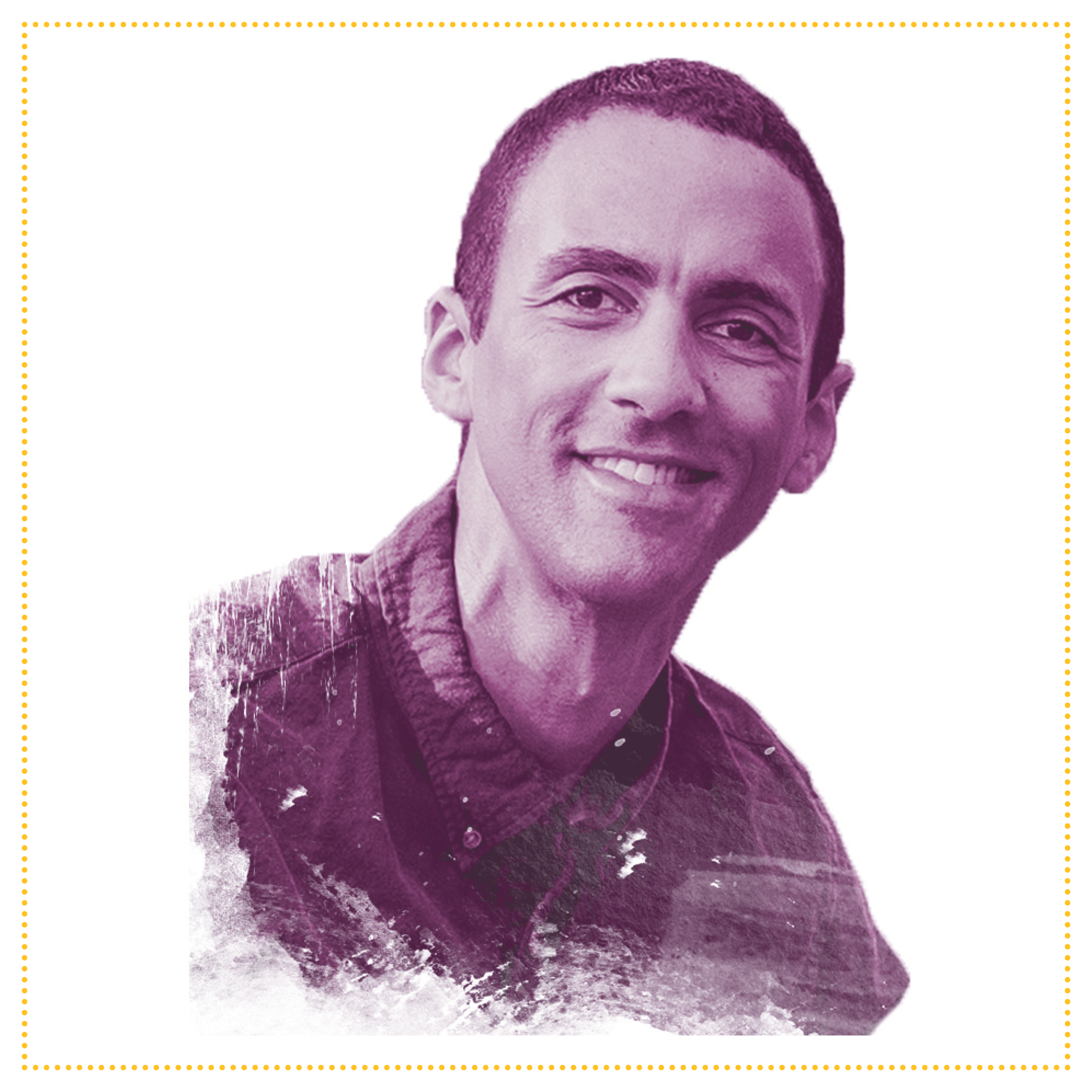
Daniel Araya (PhD ’16, aeronautics)
When Araya found out that he had won the prize in 2024, he was moved to tears. Araya’s wife, Carolina, had succumbed to cancer just months earlier—but not before she had encouraged Araya to apply to help him shift his career from aerospace engineering to immunotherapy. “Of all the treatments my wife went through, the only one that actually reduced her tumor burden was immunotherapy,” Araya says. “That really piqued my interest in the immune system.”
Araya’s proposal, which focused on exploring how the immune system can be used to combat cancer and autoimmune diseases, had two components: a self-study track that involved scouring existing literature and taking online courses in immunology, and an experiential one working with researchers in a lab. The latter, which required cold-calling scientists he did not know in a field he had not trained in, proved more difficult. “There werea lot of polite ‘nos,’” Araya says.
Araya’s literature search led him to real-time cell microscopy and a pioneer of the field: Eric Betzig (BS ’84), winner of the 2014 Nobel Prize in Chemistry. Betzig arranged for Araya to visit the Advanced Imaging Center at Howard Hughes Medical Institute’s Janelia Research Campus in Virginia, where Betzig is a senior fellow.
Araya observed imaging of live immune cells, a crucial step toward developing better immune-based therapies. While he still works part time at the Johns Hopkins Applied Physics Laboratory, Araya now also helps a pair of Johns Hopkins researchers advance a tumor-imaging project called AstroPath that uses sky-mapping algorithms developed for astronomy to create and analyze detailed microscopic maps of tumors. The goal is to help predict which cancers are most likely to respond to specific immunotherapies, and Araya uses his data-science skills to improve the project’s image-analysis pipeline. Araya is now pursuing a career in medicine and has spent time shadowing physicians, an experience that brought him back to the same cancer center where his wife was treated. “It was kind of surreal being on the other side of that same waiting room,” he says. “But it also really cemented that this is what I want to do. I’m deeply grateful to Caltech and the Chang Prize Committee for kick-starting my journey.”
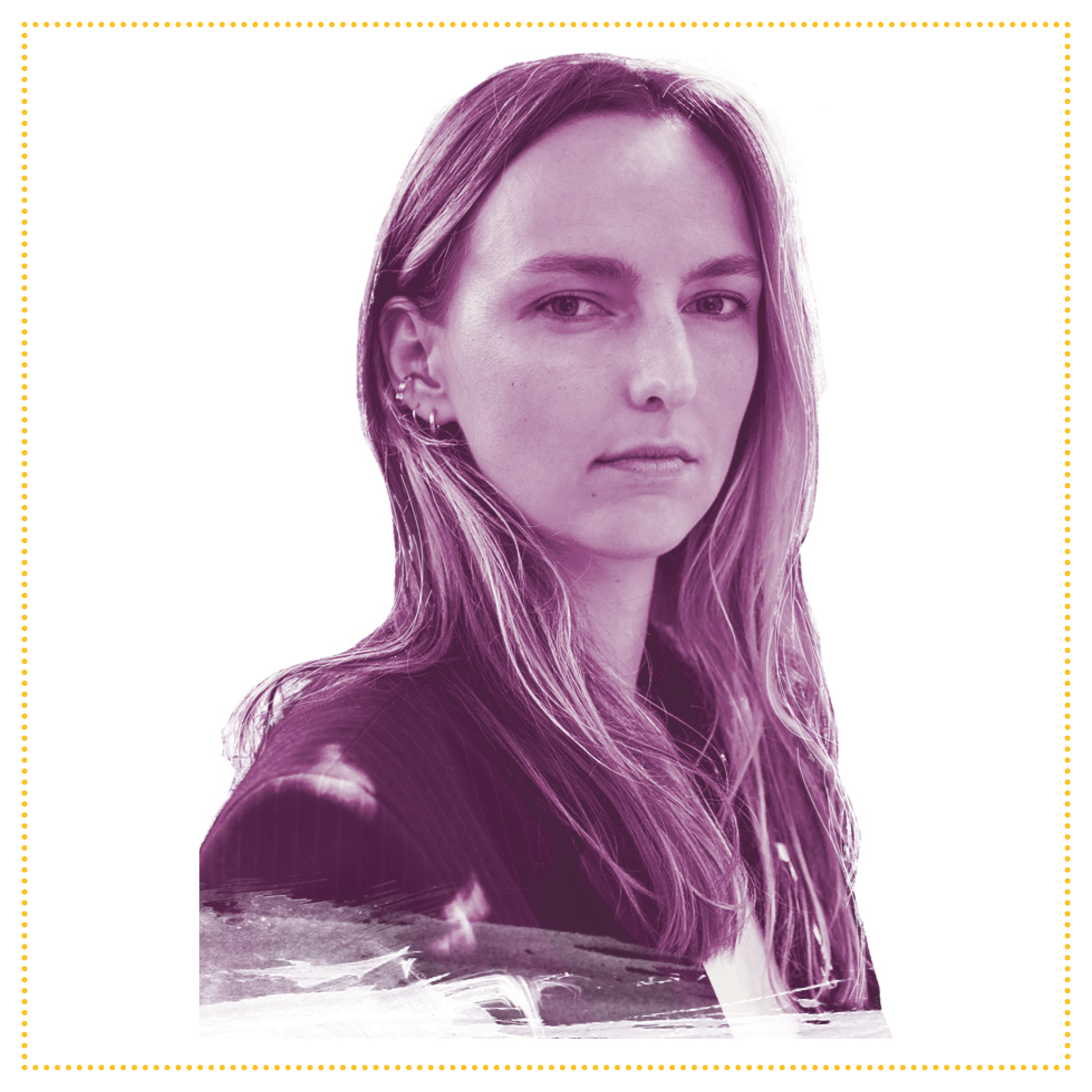
Klavdia Zemlianova (BS ’14, mathematics)
Zemlianova first heard about the Chang Prize while pursuing her undergraduate degree and kept the award in mind as a possible means to explore filmmaking. Because she had to apply within 10 years of earning her degree, Zemlianova realized that she would have to direct her proposed film while simultaneously completing her PhD in neuroscience at New York University.
Now a postdoc at the Center for Theoretical Neuroscience at Columbia University, she has finished a rough cut of a film that explores the complexities of collective memory through the lens of Russia’s war in Ukraine, an experience that has left her eager to make more movies. As someone from Russia with Ukrainian friends, Zemlianova found the escalating war preoccupied her thoughts as she submitted her Chang Prize proposal in 2023.
She had previously collaborated with an experienced director on a short documentary (A Sentimental Science, available on YouTube) that posed the question, “How many neurons do you need to recognize your mother?” But to complete her Chang project, Zemlianova needed additional training. She spent a year taking night classes in cinematography, directing, and film editing at the New York nonprofit Mono No Aware while writing her NYU dissertation and starting work on her directorial debut.
Zemlianova interviewed Ukrainian friends who had been forced to flee their nation as well as Ukrainians who are currently running archival projects in the country. She also conducted reenactments of events that served as visual metaphors for memory formation, like a friend’s childhood recollection of gathering wild walnuts that stained her fingers black.
The film is an exploration of how people create and preserve shared historical memories through storytelling. “We each individually have experiences, but collectively we choose what to save and retell going forward,” Zemlianova says.
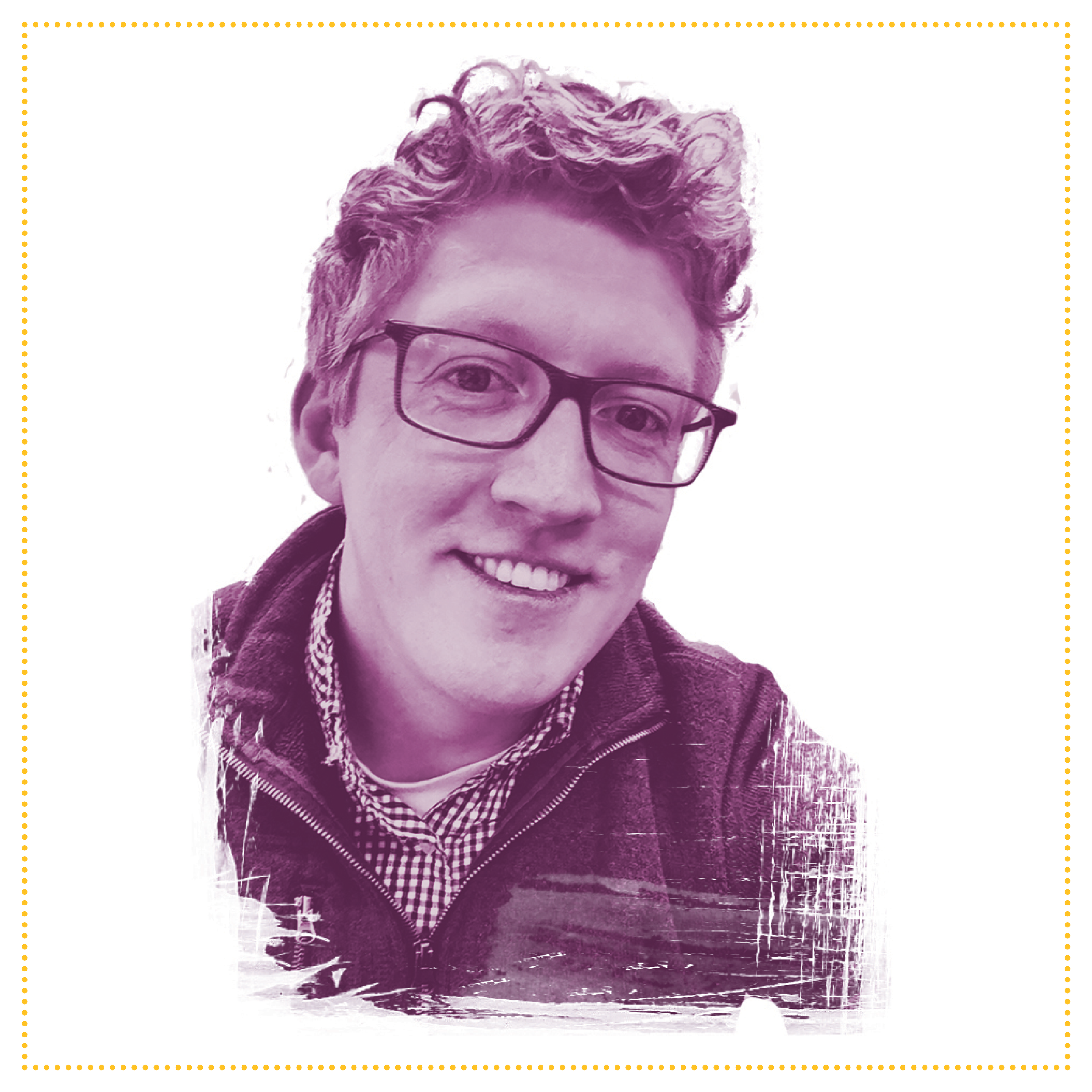
Corey Husic (PhD ’23, chemistry)
Less than a year into his job at one of the world’s largest chemical companies, Husic decided he wanted something different. “The Chang Prize came at the perfect time in terms of mental health and career interest,” says Husic, who won the prize in 2024 and is now a visiting assistant professor of chemistry at Lafayette College in Pennsylvania.
Well aware of America’s long history of industrial contamination—including a toxic waste site near his hometown that was eventually transformed into a nature refuge—Husic wrote a proposal to explore the topic through science journalism. Initially, he planned to develop a podcast about rarely discussed examples of chemical pollution across the US, bringing a scientific perspective to the topic while raising awareness at the national level. “I came into this project thinking, ‘I want the whole country to know about this,’” he says.
But after speaking with residents of a West Virginia town that was devastated by the release of PFAS, or “forever chemicals,” from a local chemical manufacturing facility, Husic realized that even local community members did not fully grasp the scientific details or their long-term consequences.
He shifted his focus to community outreach and education, writing articles in local newspapers and magazines, and giving public presentations at libraries, Rotary Clubs, and other venues to help those in the area understand what had taken place. “As somebody who wants to pursue science communication for the betterment of people and communities, that felt like a more pressing place for my attention,” he says.
Husic spent the rest of his prize money replicating those efforts at contaminated sites across the country—including a former ore smelter in Colorado that was being used as a homeless encampment despite dangerously high levels of lead in the soil.
Husic views his post-prize transition to teaching as the logical extension of the journey he began in West Virginia. That journey now has him pondering how he can bring issues of environmental and social justice into the classroom. “I want to figure out how to continue sharing these stories with students and inspire them to be concerned about these things,” he says.
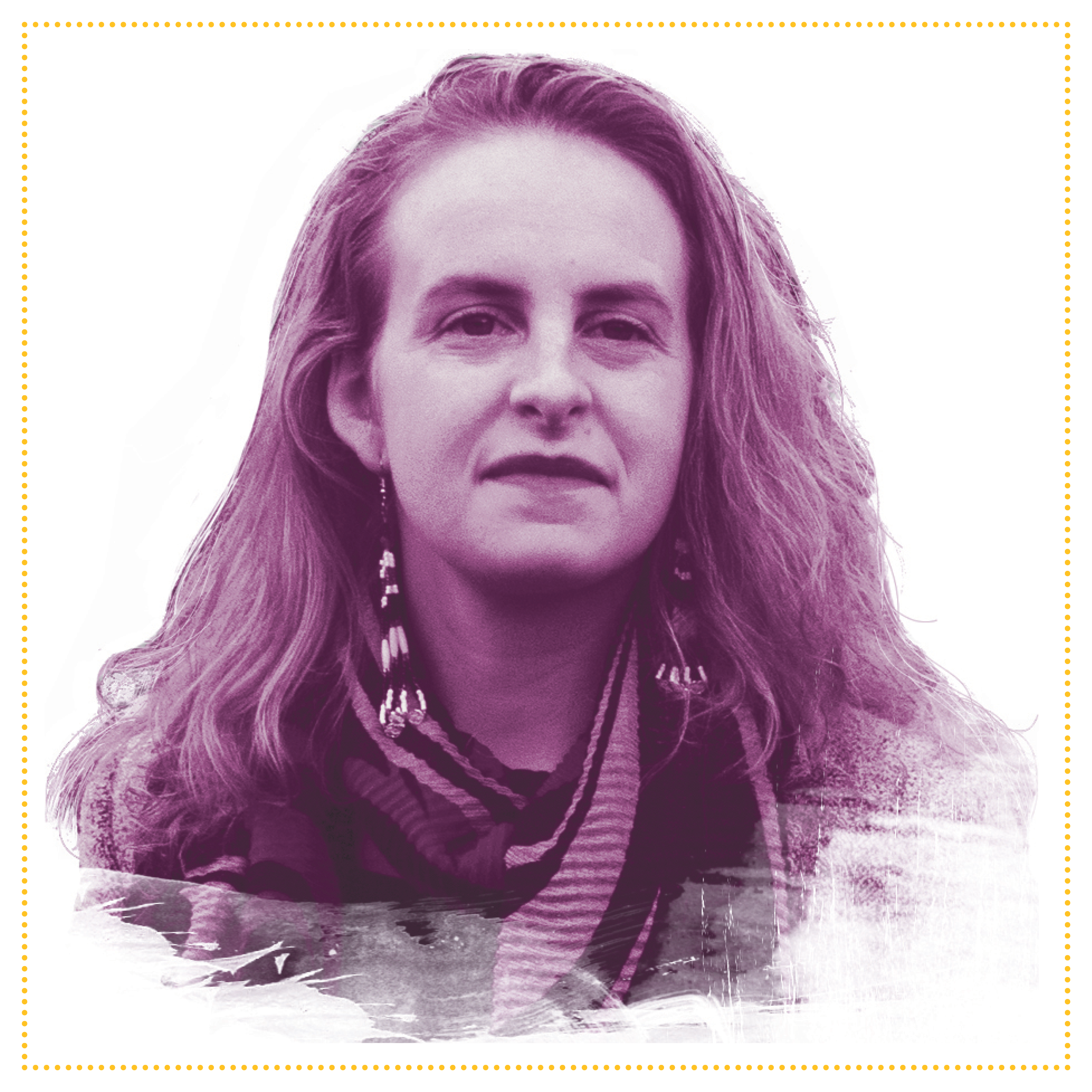
Ariel Hasse-Zamudio (BS ’20, physics)
For Hasse-Zamudio, the benefits of her 2025 Chang Prize had more to do with the committee’s belief in her dream than the prize money. Her proposal involved launching a career in sustainable science policy through the creation of the Alaska Energy Infrastructure (AEI) project, an initiative aimed at helping her home state transition to renewable energy.
“I had the skills, and I had the background,” says Hasse-Zamudio, who researched next-generation renewable energy materials as an undergraduate and advised Alaska Senator Dan Sullivan on environmental policy as a Beckman Science Policy Fellow in Washington, D.C., the summer before she graduated. “But the Chang Prize is what gave me the confidence and the ability to pursue this project.”
Hasse-Zamudio wanted to understand Alaska’s renewable energy options as well as what Alaskans thought about energy policy and how it affected them. She spoke with state legislators, Indigenous leaders, and members of the electric co-op boards that govern local energy generation; established partnerships with renewable energy and environmental conservation organizations; and led roundtable discussions in various communities to better understand the concerns of ordinary Alaskans.
Those relationships helped Hasse-Zamudio establish the Alaska Energy Regeneration Network, a component of the AEI, which supports collaboration between communities, researchers, advocates, and policymakers. She also crafted community survey questionnaires about policies such as net metering, which allows Alaskans to sell electricity they generate using technology, such as solar panels, back to the grid.
After her funding expires, Hasse-Zamudio intends to continue to use both her data and her platform to promote evidence-based renewable energy policies. She plans to present her findings at the Alaska Sustainable Energy Conference and will serve as a science policy advisor to Stand Up Alaska—a nonprofit that works for environmental, economic, and social justice—in the run-up to statewide elections later this year. “I wanted to see what working on policy would look like at a professional level,” she says. “Thanks to the Chang Prize, I could bring my expertise into the room.”